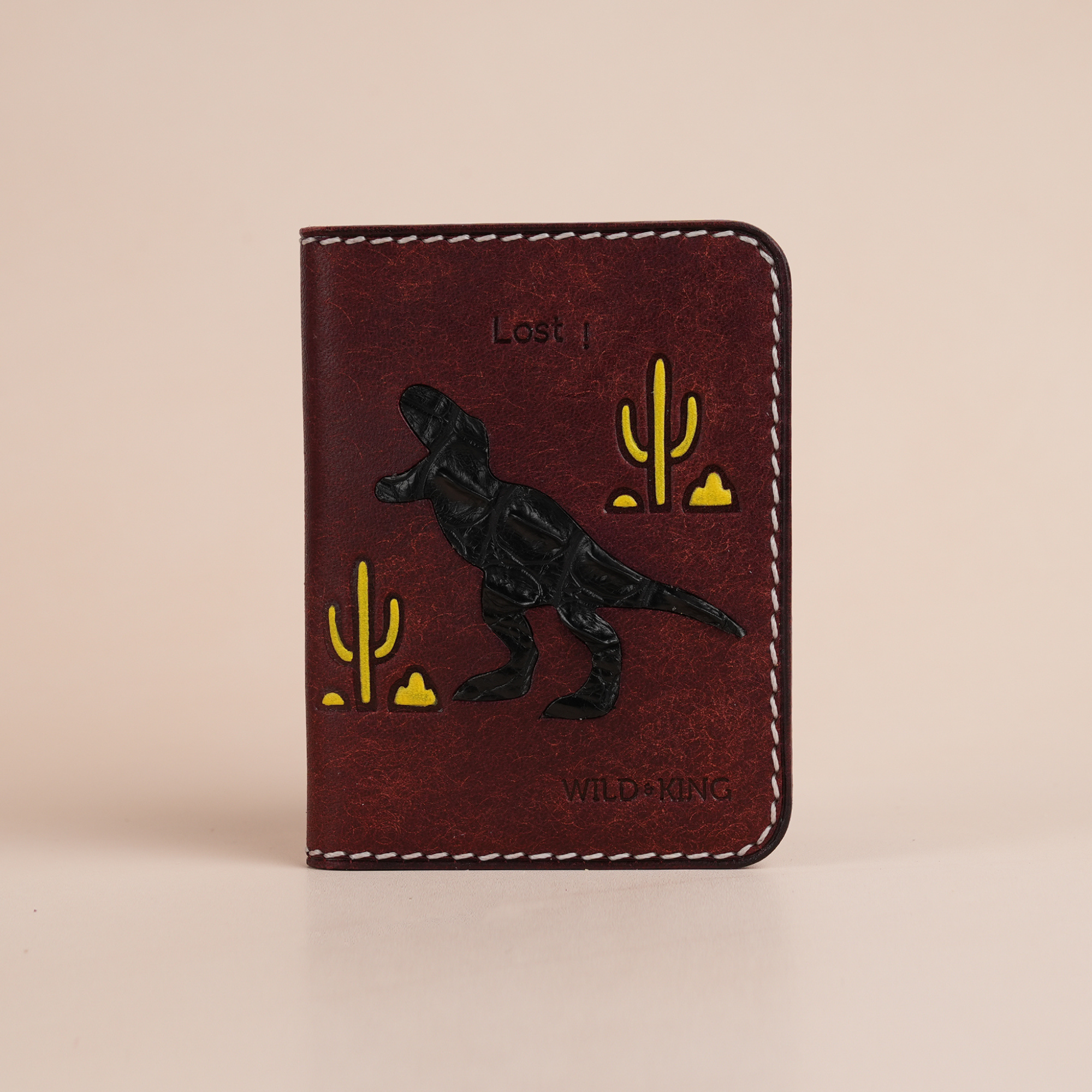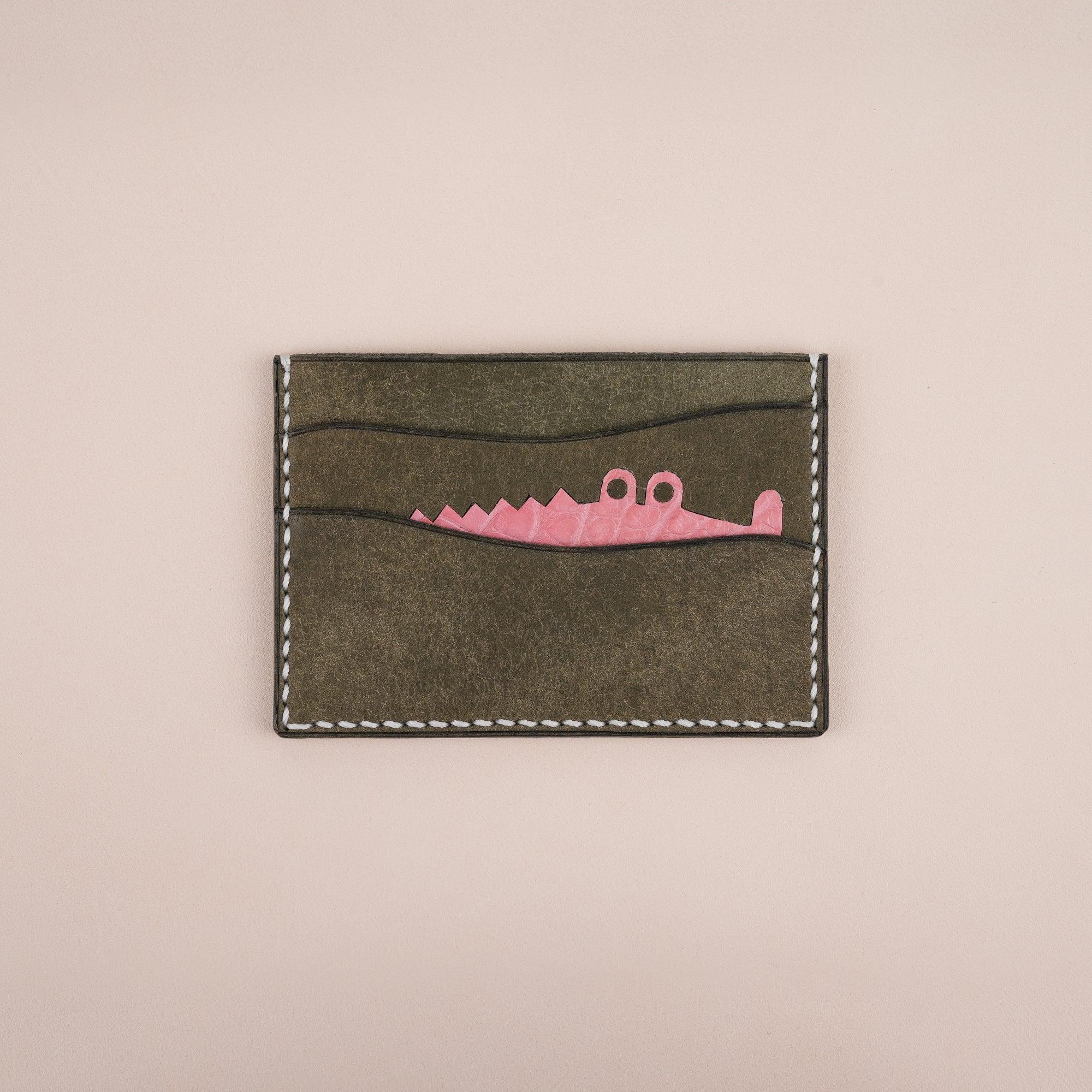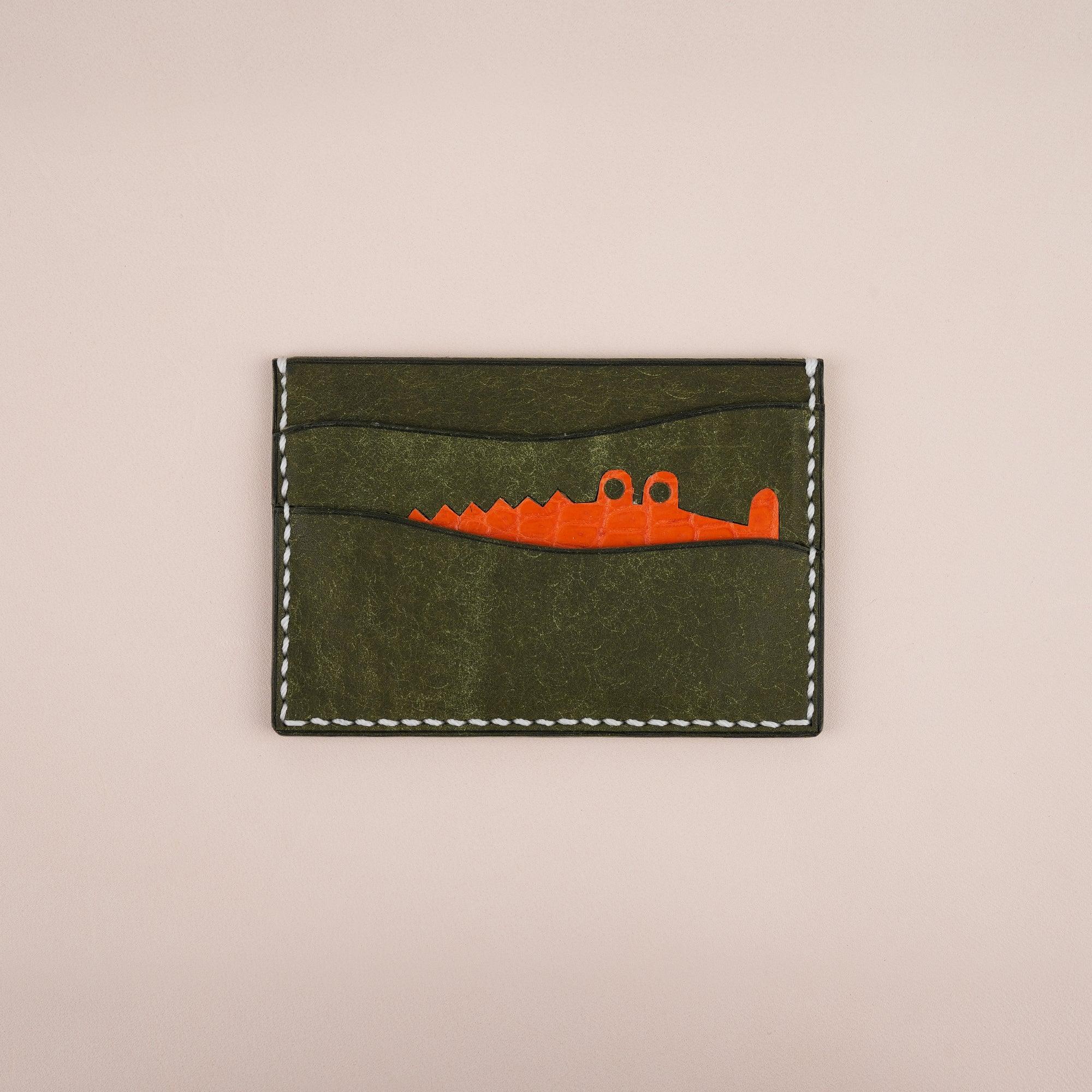

Pueblo Leather
Have you ever held a wallet that initially feels like stone-ground earth, yet after three months of use, transforms into something as smooth as vintage silk?
That is not magic. That is Pueblo Leather.
In a world dominated by fast fashion and synthetic materials that deteriorate over time, Pueblo leather stands as a defiant exception. It is a material that does not just "last", it lives. At Wild & King, we choose Pueblo not merely for its durability, but for its ability to tell a story, your story.

This guide is not a sales pitch. It is a deep dive into the soul of one of the world’s most unique leathers. Whether you are a minimalist seeking an everyday carry (EDC) companion or a connoisseur of craftsmanship, understanding handmade pueblo leather will change the way you view luxury.
What makes Pueblo leather so special?
To understand Pueblo, you must first understand its birthplace. This leather is not a mass-market product; it is a piece of Italian heritage.
The heritage of Kings: The vacchetta tradition
Pueblo is the crowning jewel of the Badalassi Carlo Tannery, located in the heart of Tuscany, Italy. This region has been the epicenter of leather tanning since the Renaissance.
Badalassi Carlo specializes in a method known as Vacchetta (Vegetable Tanning). This is an ancient, time consuming process that uses organic tannins found in tree barks (like mimosa and chestnut) and natural cow shinbone oil.

Centuries ago, this method was so labor, intensive and the materials so costly that such leather was a luxury reserved exclusively for European nobility and royalty. While the common folk used rough, alum tanned hides, kings wore Vacchetta. Today, owning a handmade pueblo leather wallet is akin to possessing a fragment of that aristocratic history. It is a rejection of modern chemical shortcuts (Chrome tanning) in favor of slow, organic perfection.
The "Stone Ground" effect
Most leathers try to be perfect. They are pressed, coated, and painted to look uniform. Pueblo is different. It embraces the "Rustico".
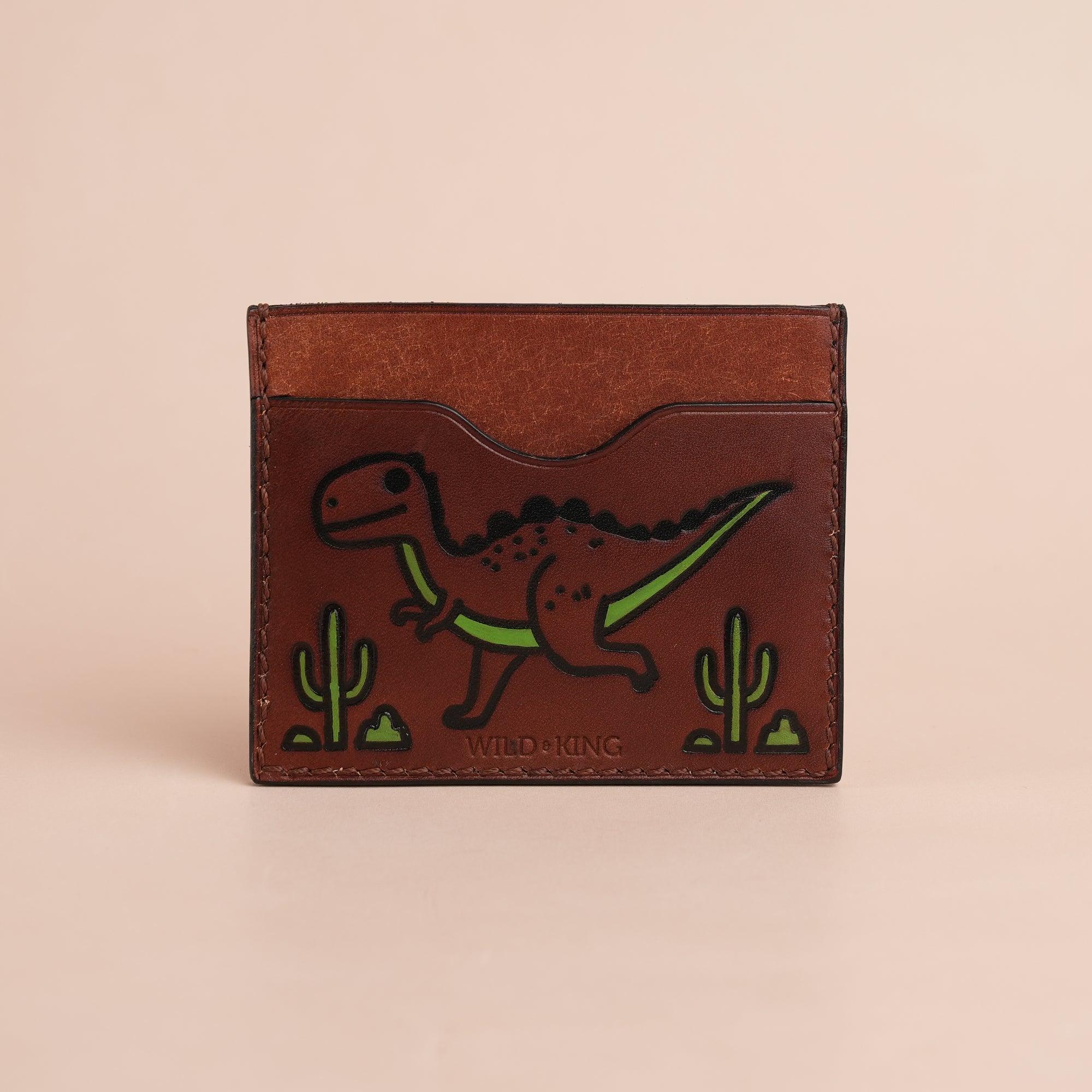
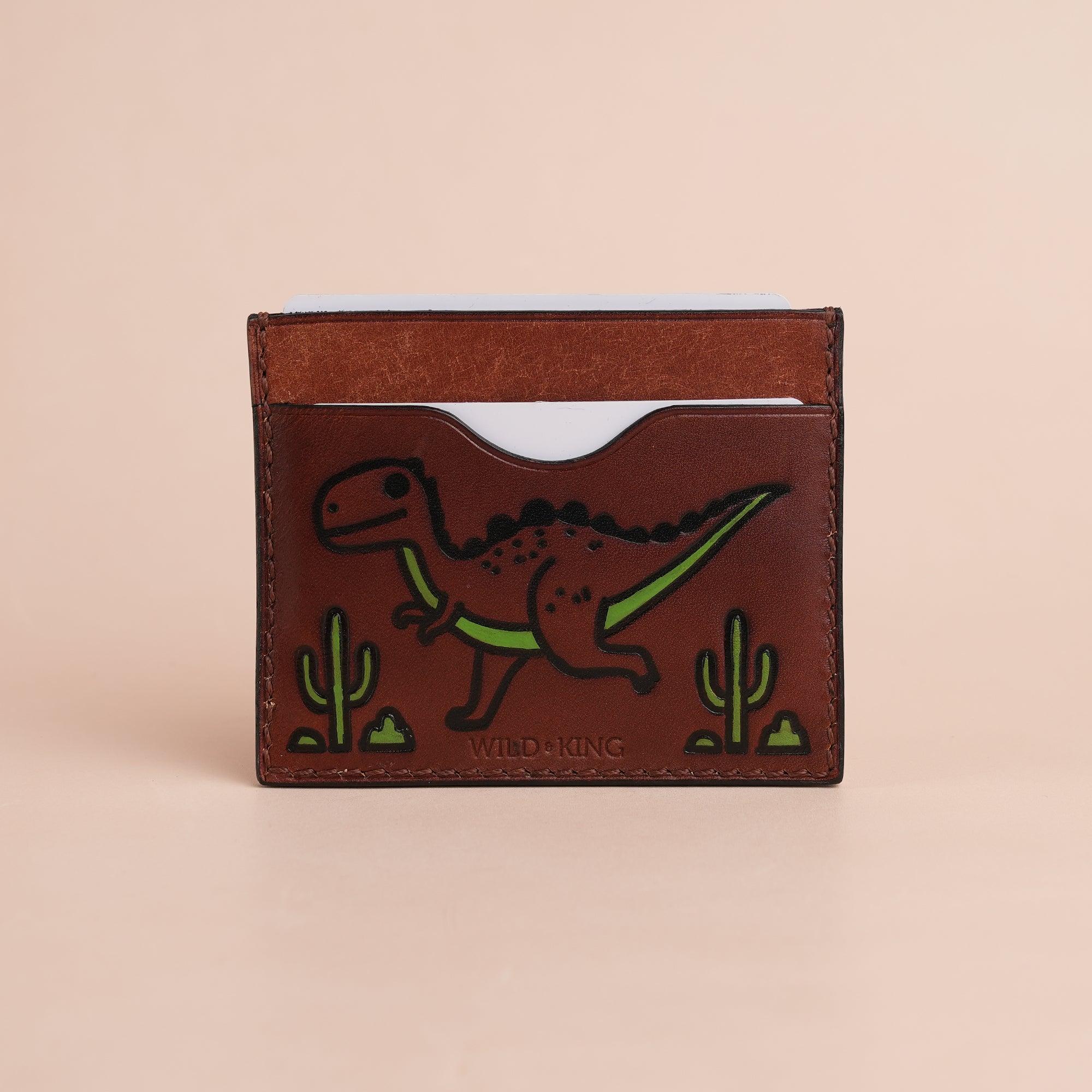
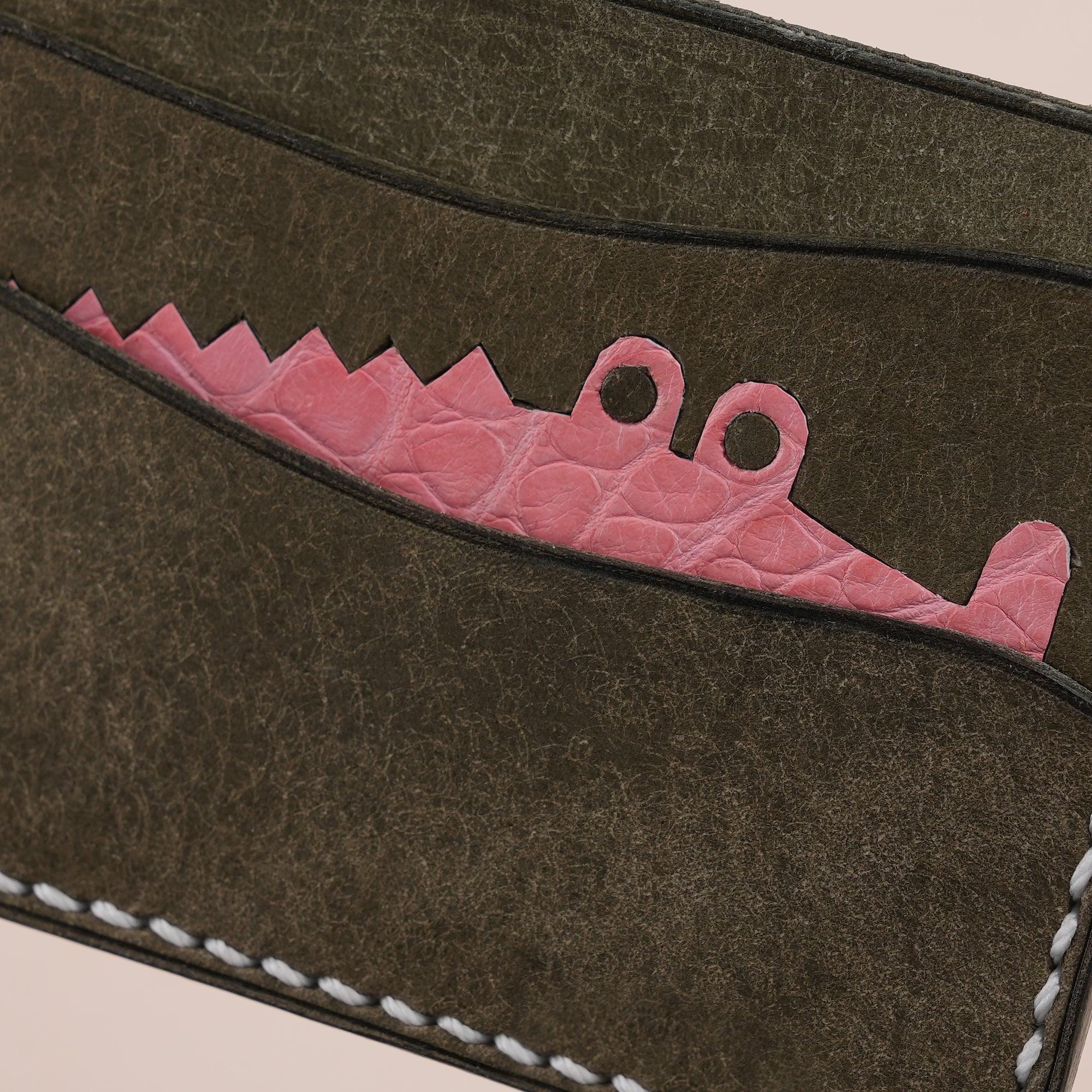
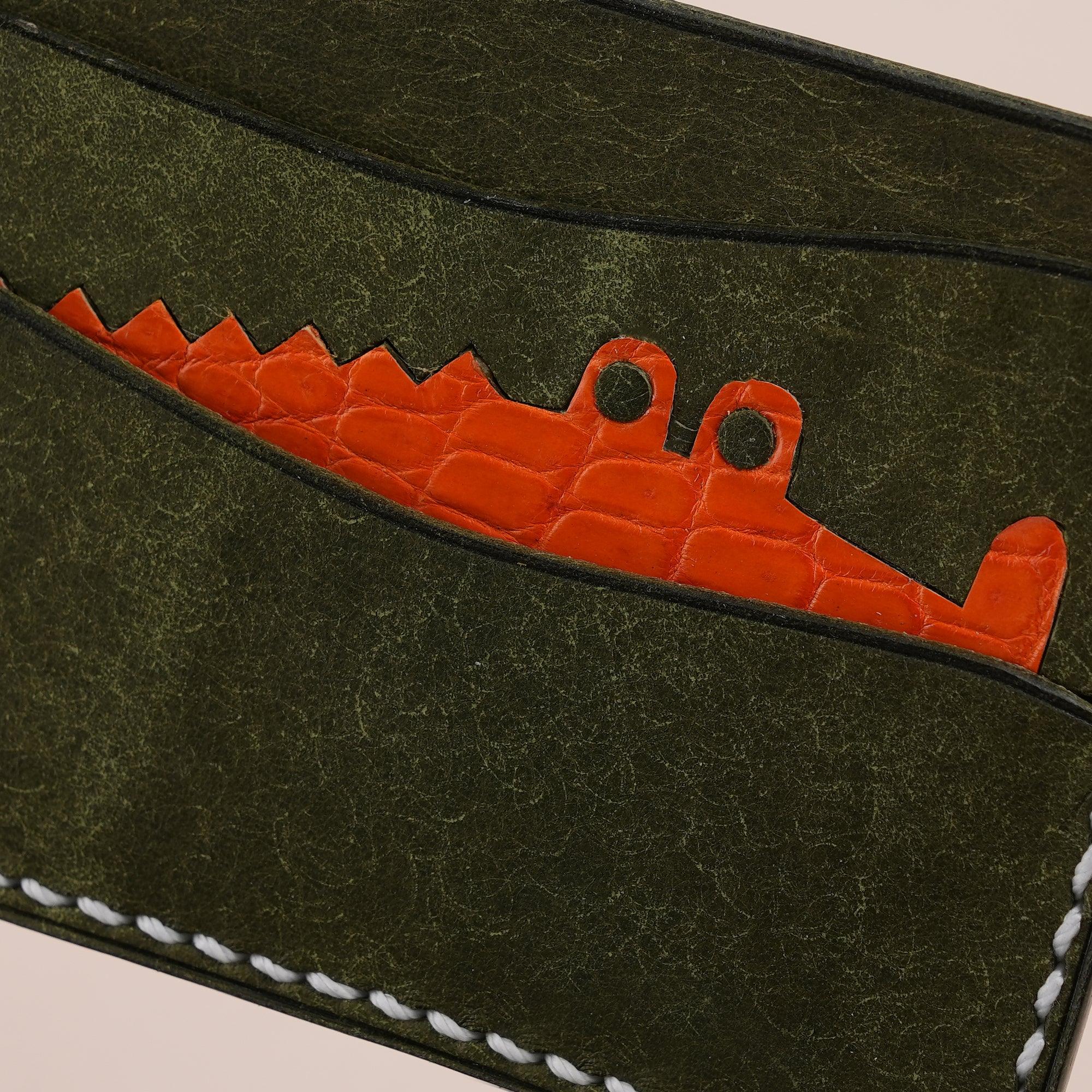
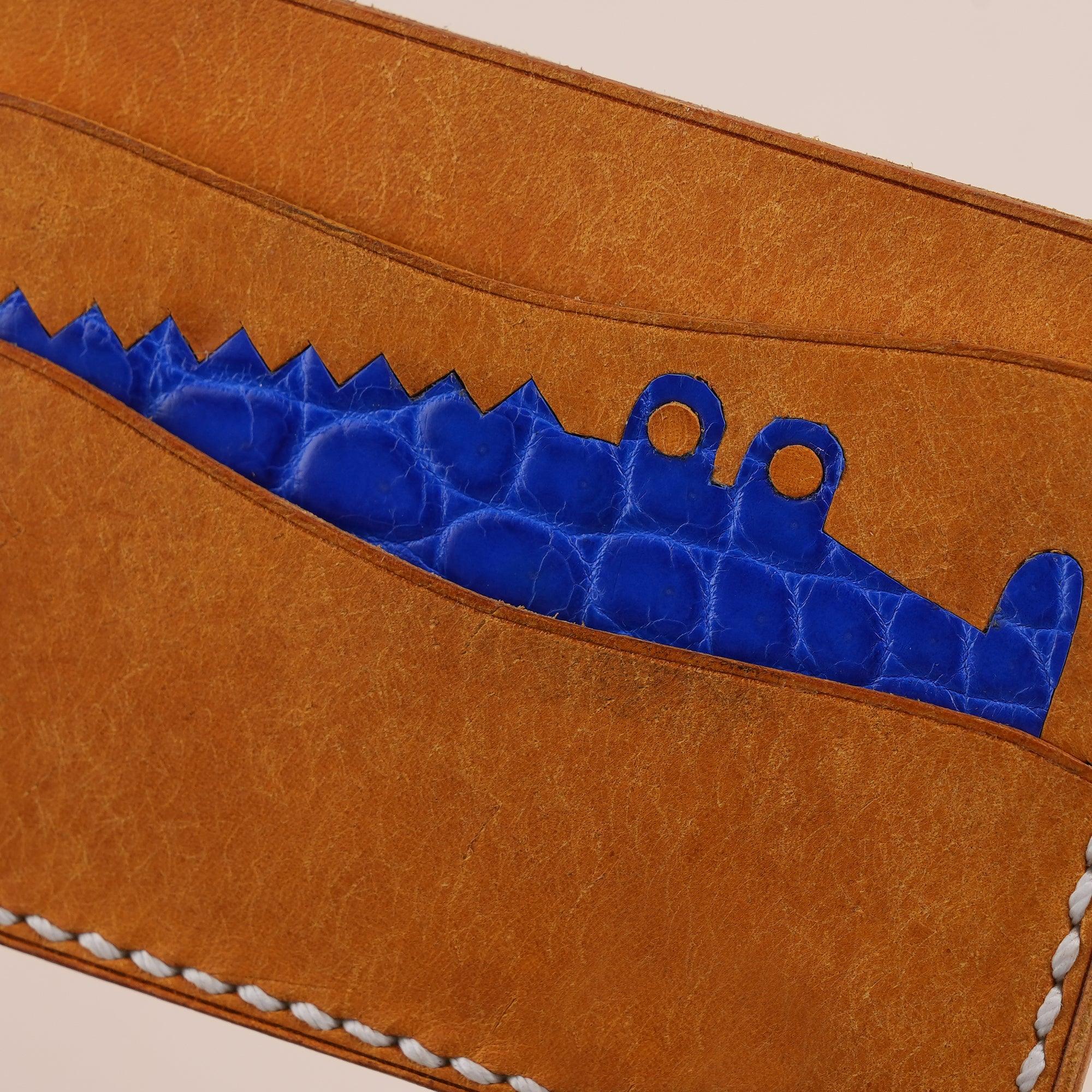
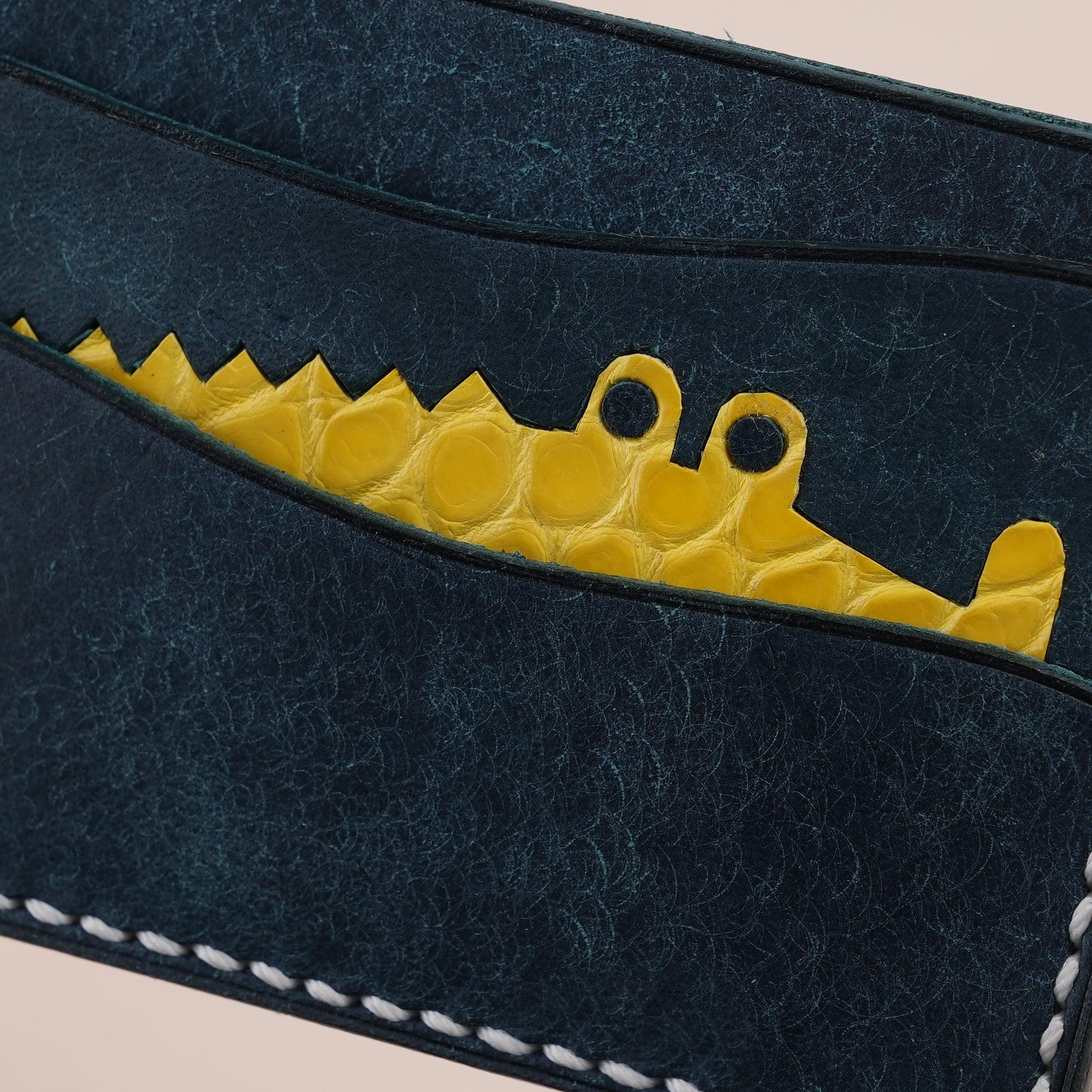
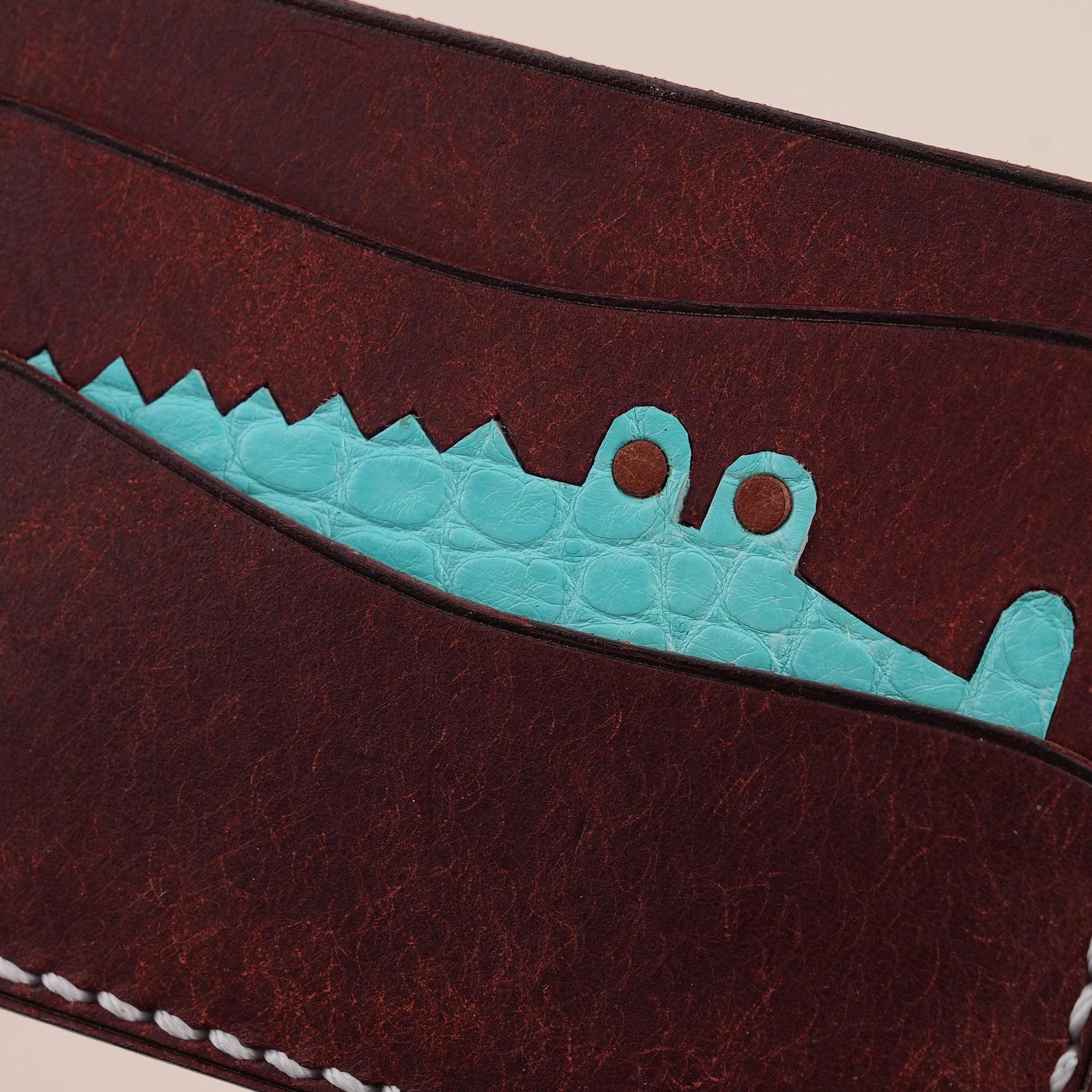
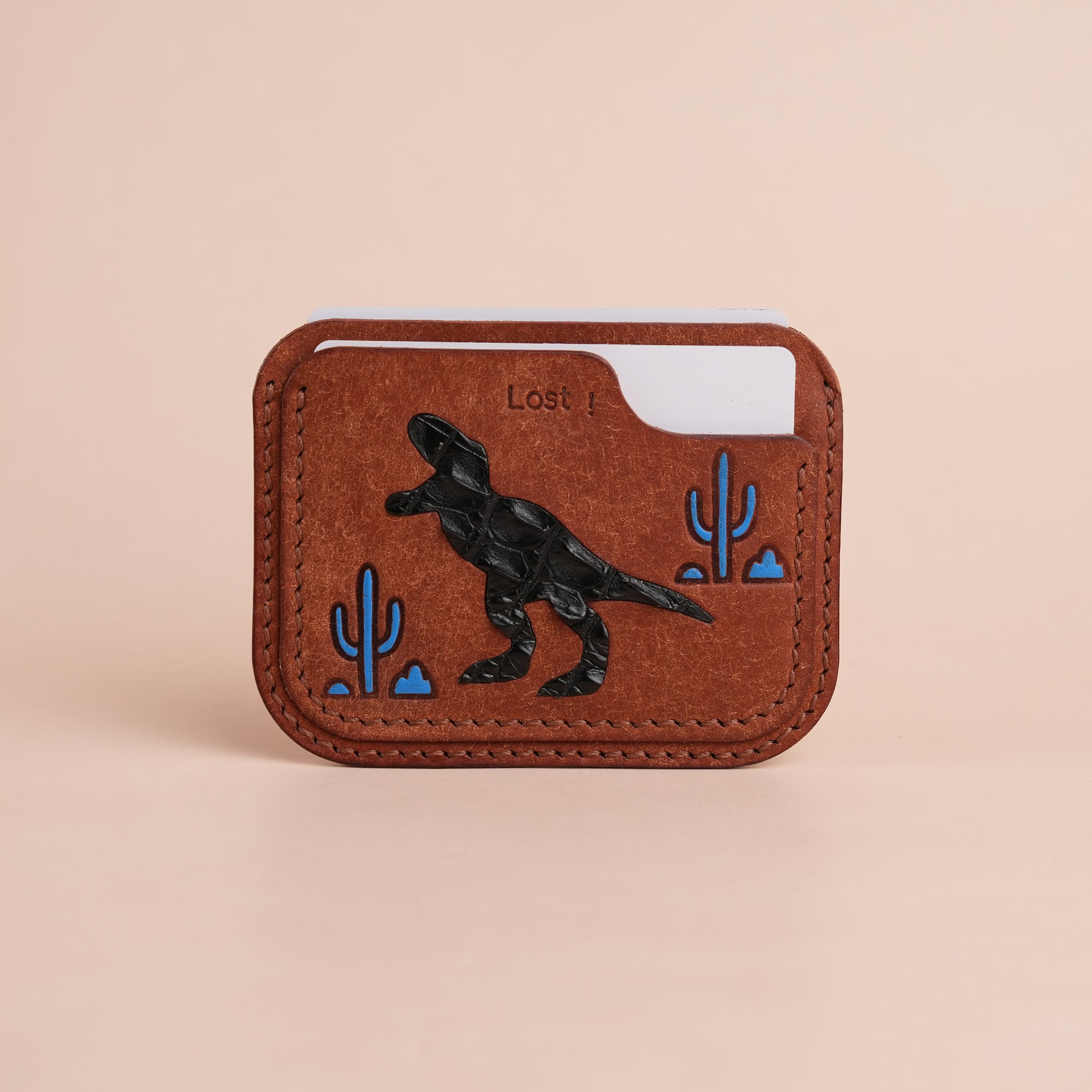
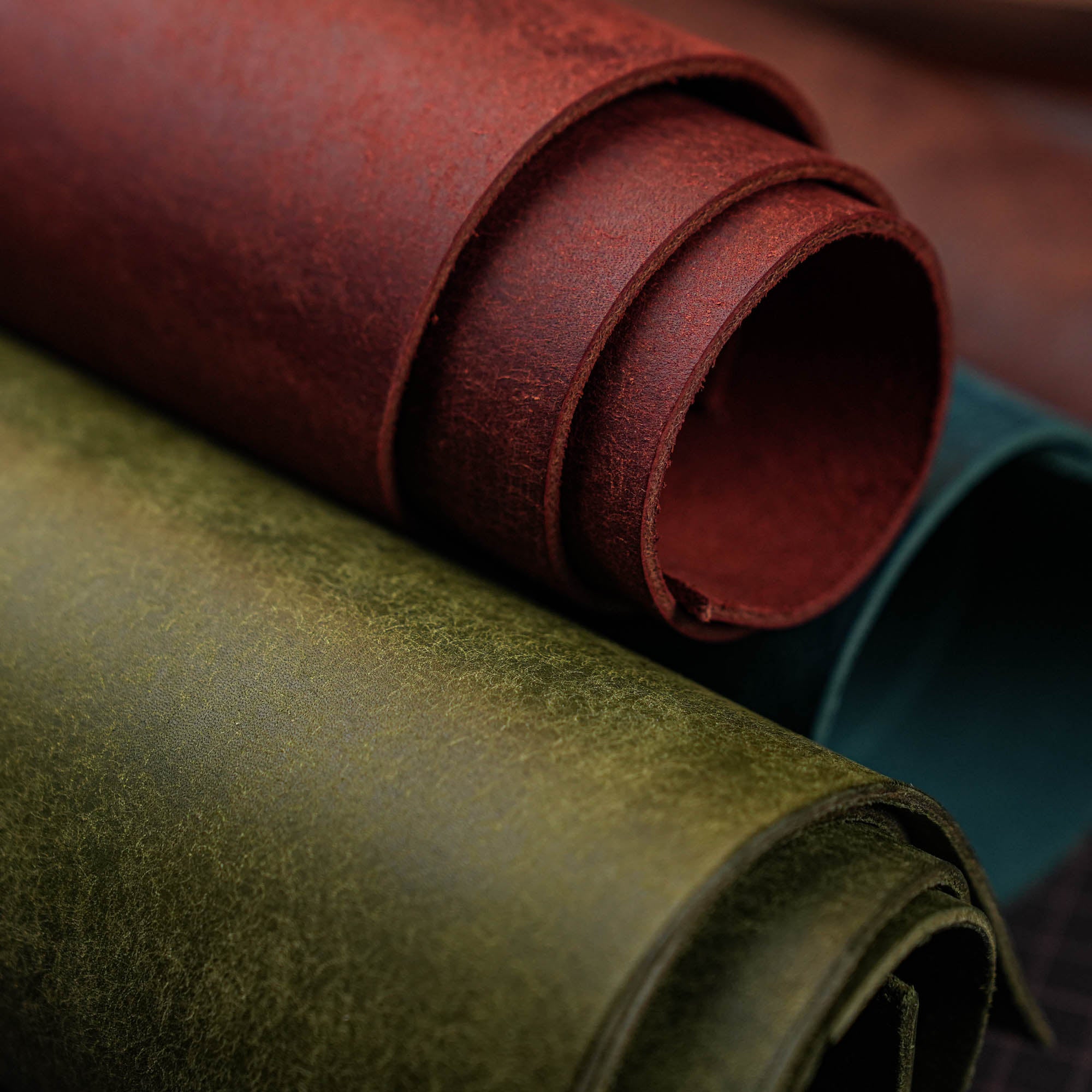
The defining characteristic of Pueblo is its surface. Through a specialized manual process, the leather is buffed with small metal balls (ball bearings). This creates a unique, slightly rough texture that feels like fine sandpaper or stone ground flour when new. It is matte, rugged, and profoundly tactile.

Unlike suede, which is the underside of the skin, Pueblo is Full Grain Leather. This means the top layer of the hide, the strongest and most durable part, remains intact. The micro scratches created by the metal balls are purely aesthetic, designed to accelerate the patina process without compromising the leather's structural integrity.
The scent of authenticity
One factor often overlooked in online shopping is smell. If you have ever walked into a department store, you might recognize the sharp, chemical smell of mass-produced leather goods. That is the smell of chromium salts and acrylic sealers.
Pueblo smells of the earth. Because it is tanned with vegetable tanned, it carries a rich, sweet, and woody aroma. It is a scent that evokes nature, craftsmanship, and authenticity. For many of our clients at Wild & King, simply opening the box and smelling that distinct aroma is where the luxury experience begins.
The patina journey
The primary reason minimalists and leather enthusiasts choose handmade pueblo leather is for the Patina.
Patina is not damage, it is the leather’s autobiography. It is the process where the leather absorbs oils from your hands, exposure to sunlight, and the friction of daily use (taking it in and out of your pocket). Pueblo is famous for having one of the most dramatic and rapid patina evolutions in the leather world.

Here is what you can expect when you own a Wild & King Pueblo wallet:
Stage 1: The raw beauty (month 0 - 1)
When you first unbox your wallet, the color is vibrant but matte. The surface feels dry and slightly "scratchy" (in a pleasant, grippy way). It has a rustic, almost dusty look. This is Pueblo in its rawest form.
Stage 2: The transformation (month 1 - 3)
This is where the magic happens. As you use the wallet, the natural oils from your fingertips begin to saturate the fibers. The microscopic "hairs" raised by the metal ball processing begin to lay flat. The leather starts to feel smoother, and a subtle sheen begins to appear on the corners and areas you touch the most. The color will darken slightly, becoming richer.
Stage 3: The vintage look (month 6+)
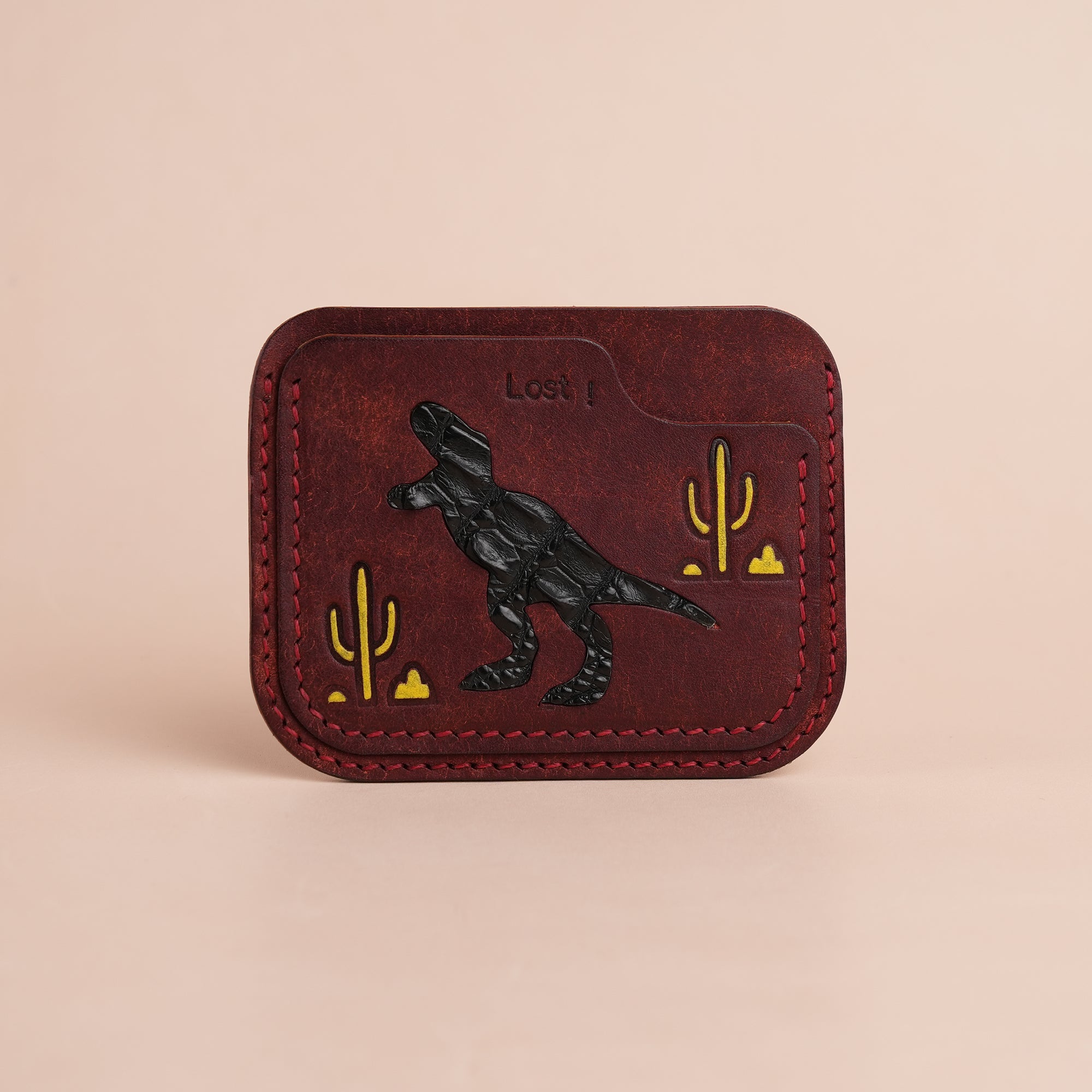
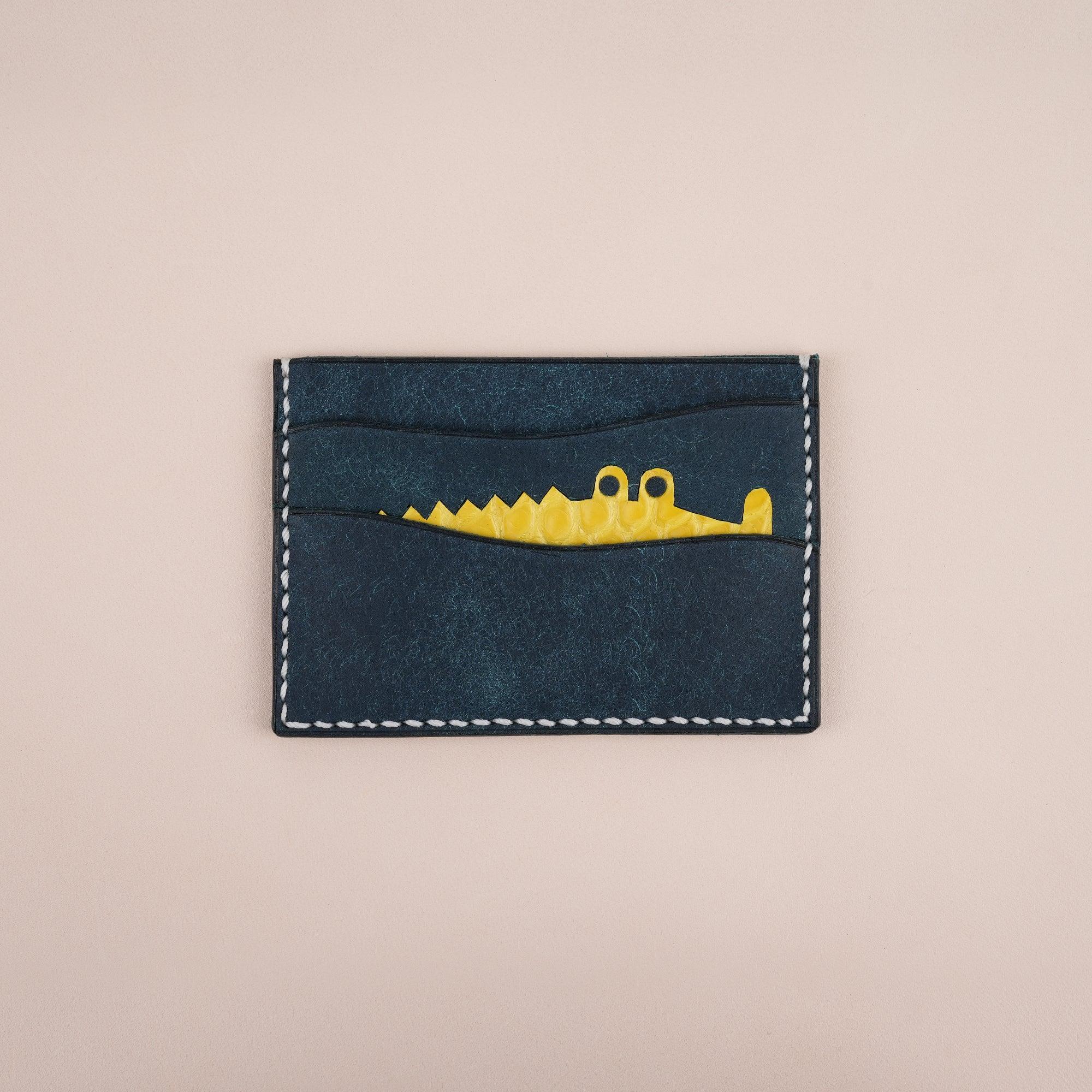
Your wallet no longer looks like the one you bought. It is now completely glossy, smooth to the touch, and the color has deepened significantly (e.g., a bright Tobacco color turns into a deep Cognac, a Navy Blue turns into a Midnight Blue).
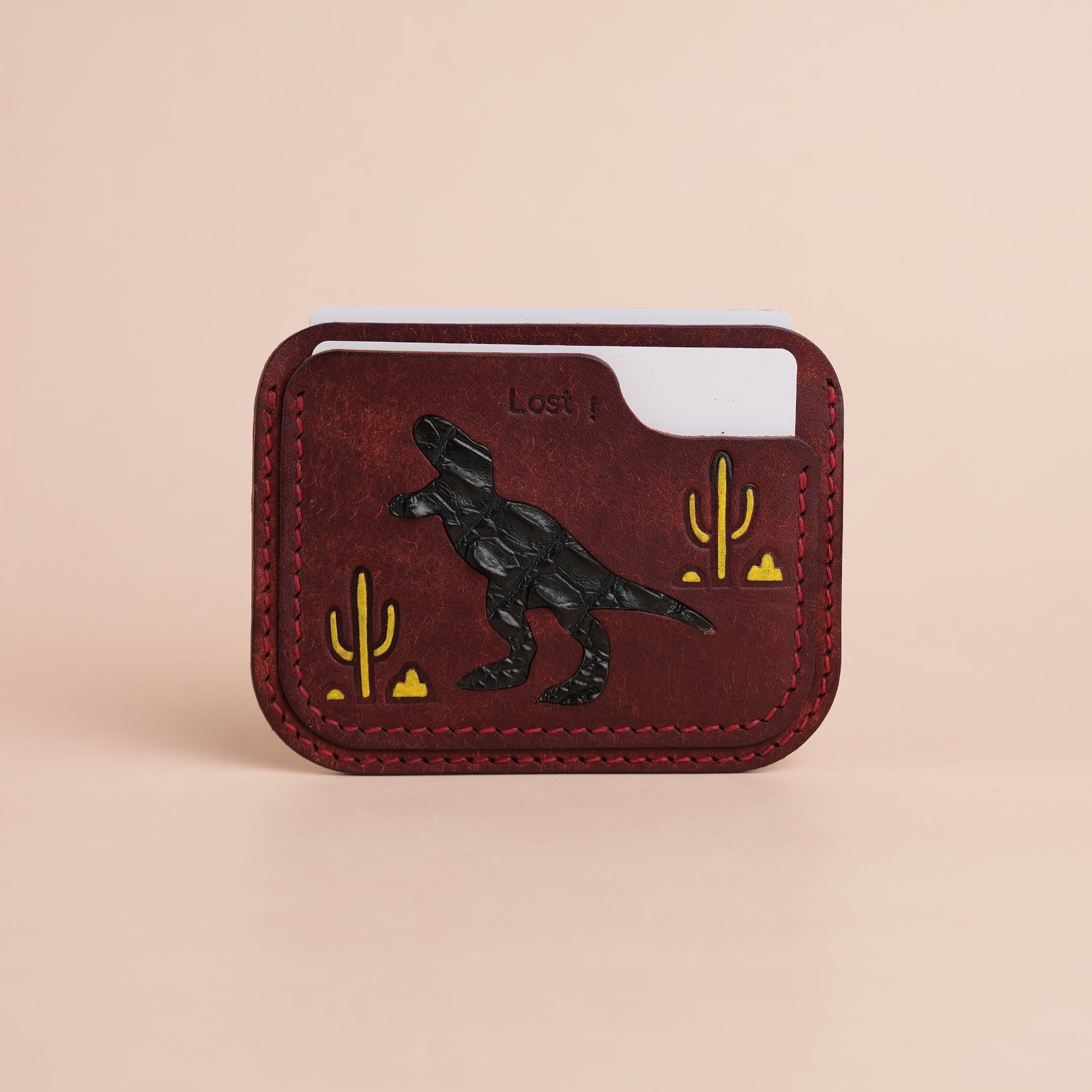
At this stage, the wallet has molded itself to your usage. If you carry cards in a specific slot, the leather has shaped itself around them. It is no longer just a product; it is a personal artifact.
Pueblo vs. The Luxury Standard
At Wild & King, we often get asked: "How does Pueblo compare to the leathers used by big fashion houses like Hermès or Prada?"
Those brands typically use Chrome tanned leathers like Epsom or Saffiano. These are excellent leathers, but they serve a completely different philosophy.
Here is a breakdown to help you decide which material suits your lifestyle:
| Feature | Pueblo Leather (The "Living" Choice) | Epsom / Saffiano (The "Static" Choice) | Togo / Swift (The Soft Luxury) |
| Texture |
Matte Rustic Has micro texture like fine sand. Feels organic and warm. |
Artificial Grain Pressed with a machine to look uniform. Feels hard and plastic like. |
Soft Pebbled Natural grain but often heavily finished. |
| Patina |
Dramatic Fast Changes color and gloss level significantly. "Lives" with you. |
None Engineered to look exactly the same after 10 years as it did on day one. |
Minimal Changes very slowly, meant to maintain color consistency. |
| Scratch Resistance |
Low (Initially) Scratches easily, but scratches heal and blend into the patina, adding character. |
High Very resistant to scratching. Suitable for harsh handling. |
Medium Swift scratches easily and stays scratched; Togo is more forgiving. |
| Maintenance |
Zero to Low Your hand oils are enough. |
Low Can be wiped with a damp cloth easily. |
Medium Requires specific conditioners to maintain softness. |
| The Vibe |
Minimalist, Artistic, Vintage For those who value the journey and authenticity. |
Formal, Corporate, "Safe" For those who want perfection and zero change. |
High Fashion Delicate luxury mostly for handbags. |
*The Verdict: If you want a wallet that stays pristine and shiny forever, choose Epsom. But if you want a wallet that develops a soul and gets better with age, Pueblo is the only choice.
Why "handmade" is mandatory for Pueblo?
You might see "Pueblo leather" advertised by mass manufacturers, but be warned: Pueblo cannot be mass produced effectively. This material demands the hand of an artisan. Here is why:
The art of burnished edges
In industrial leather goods (like those found in malls), the edges of the wallet are painted with a rubber like paint (Edge Paint). Over time, this paint cracks and peels off, leaving the wallet looking cheap.
With handmade pueblo leather, we do not use paint to hide the edges. Because Pueblo is vegetable tanned, we use a technique called burnishing. We wet the edge of the leather and vigorously rub it with a wooden slicker and natural gum (Tokonole).
The heat from the friction fuses the leather fibers together, creating a solid, glossy, and smooth edge that is literally part of the leather itself. It will never peel. If it gets dull after 5 years, you can simply rub it with canvas to shine it up again. Only a human hand can feel the heat and pressure needed to burnish perfectly.
Selecting the prime cut
Pueblo hides vary in texture across the surface. A machine cutting thousands of pieces an hour cannot distinguish between the tight fiber structure of the shoulder (the best part) and the loose belly (the weak part).

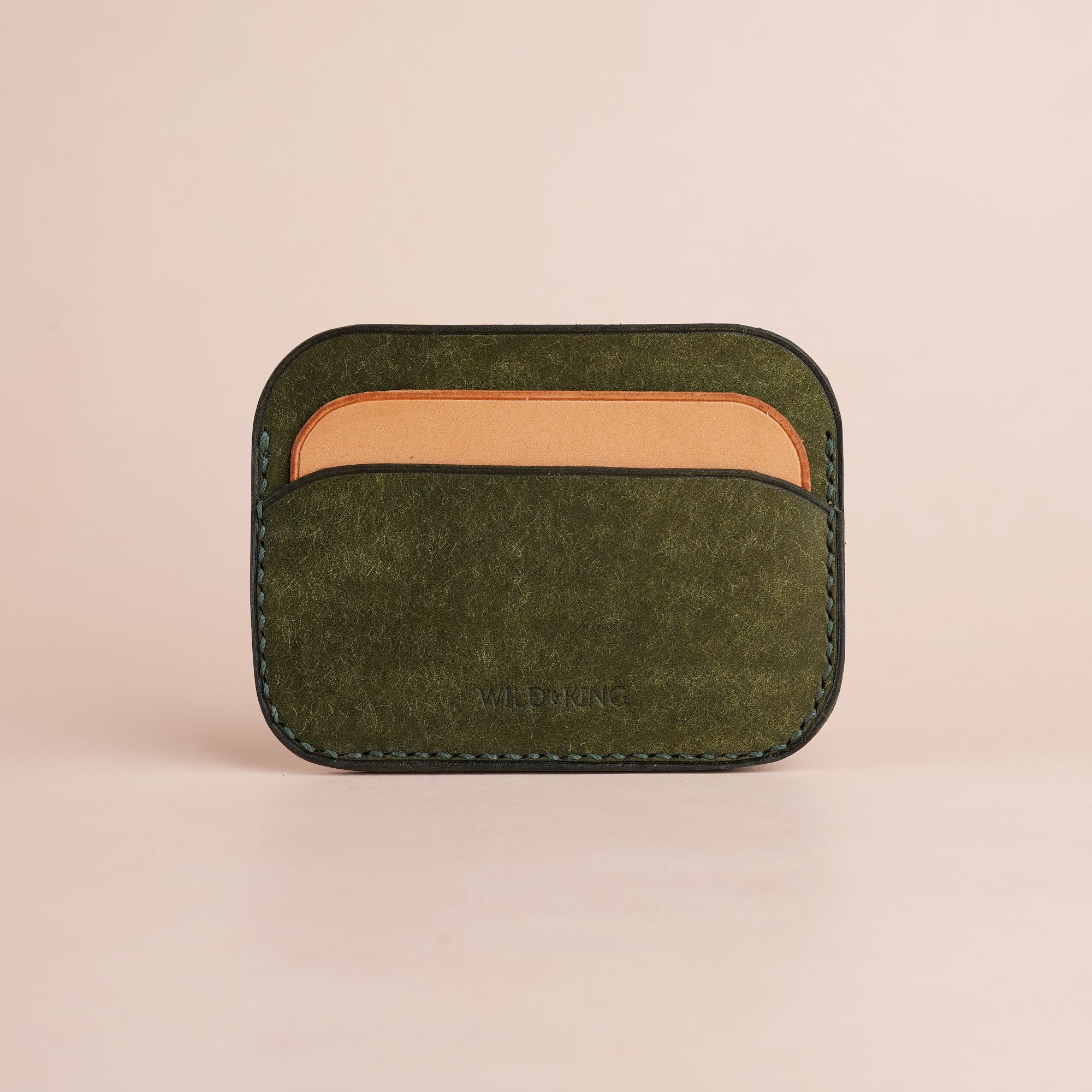
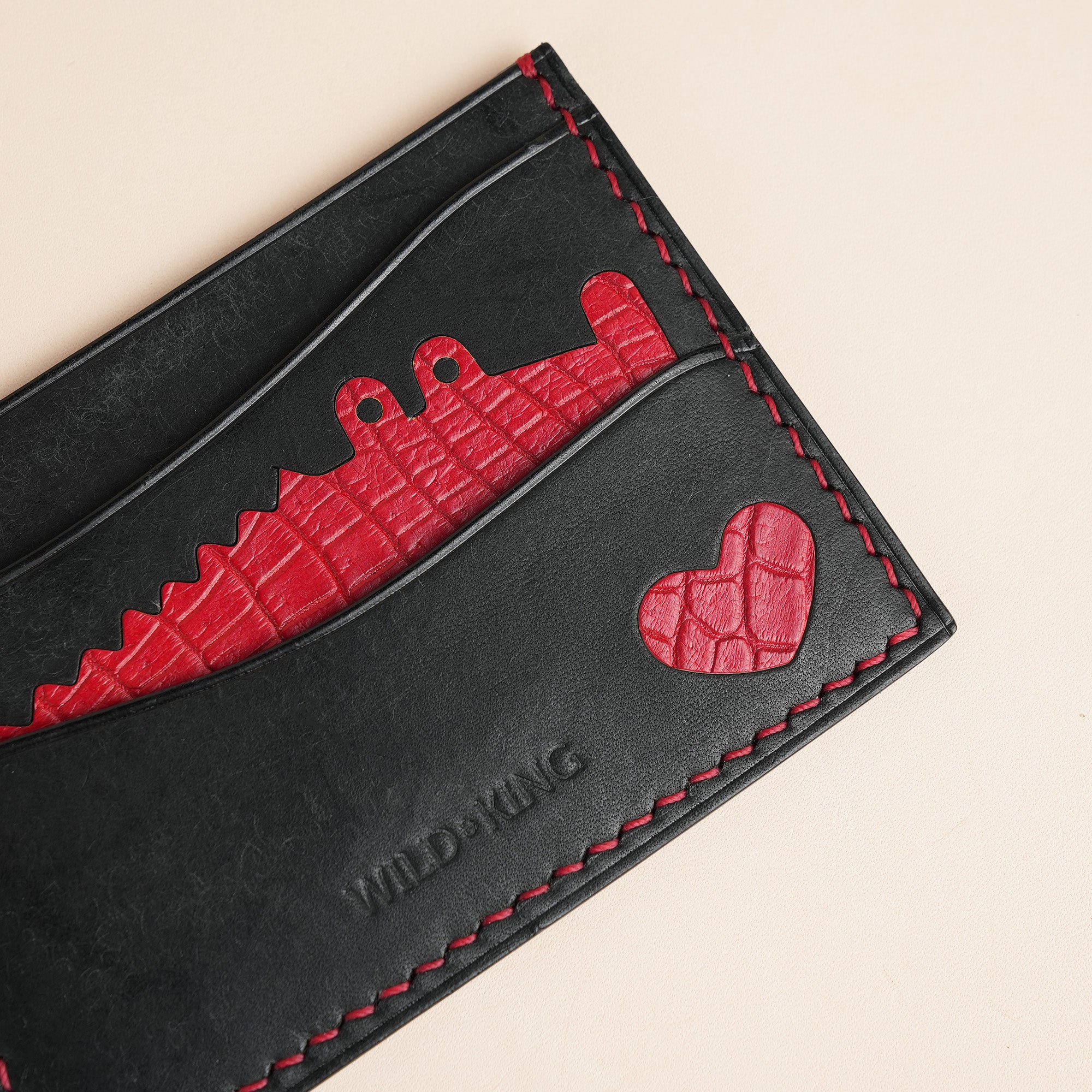
At Wild & King, our craftmans hand selected the specific area of the hide for each wallet. We cut from the "Double Shoulder" area to ensure maximum density and the most beautiful grain for your card holder or bifold.
Saddle stitching
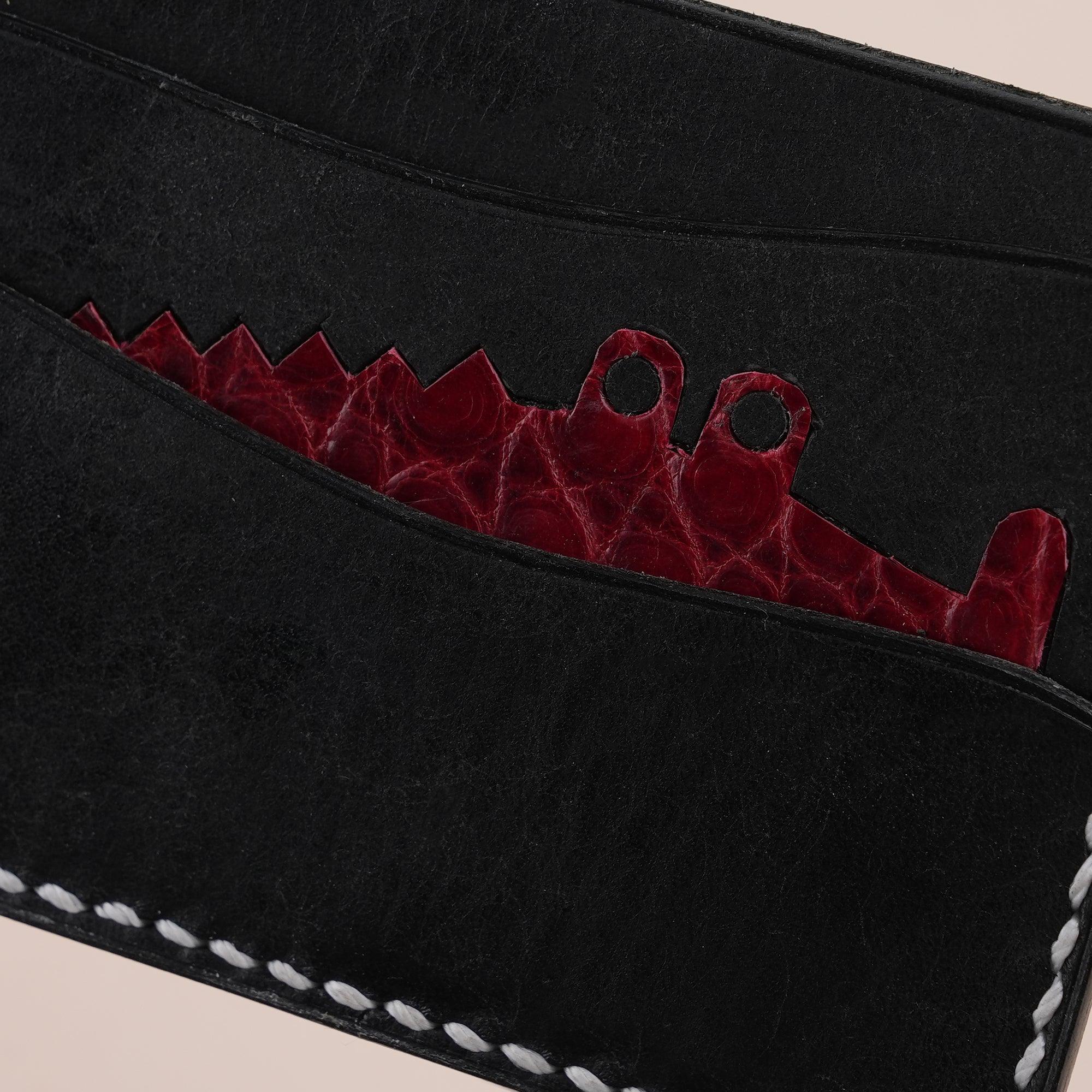
We use the traditional "Saddle Stitch" with waxed thread. If a machine stitch breaks, the whole seam unravels. If a saddle stitch breaks (which is rare), the rest of the thread holds firm because of the interlocking knot structure. This rugged durability perfectly complements the rugged aesthetic of Pueblo.
How to care for your Pueblo leather wallet
One of the biggest mistakes new owners make is "over caring." Pueblo is a tough material packed with natural oils. It thrives on neglect.
Rule 1: Don't overdo it (No cream needed)
Do not apply leather conditioner or cream when you first get your wallet. The leather is already saturated with tallow and oils from the tannery. Adding more oil will darken it prematurely and kill the "stone ground" texture immediately.
Advice: Just use it. Your hand oils are the best conditioner.
Rule 2: Avoid the "modern enemies"
- Water: Pueblo is water resistant, but not waterproof. If it gets wet, do not use a hairdryer. Heat will shrink and harden the leather. Just wipe it and let it air dry.
- Alcohol (sanitizer): This is the biggest danger. Alcohol dissolves the natural vegetable dyes. If you spill hand sanitizer on your wallet, it will leave a permanent bleached spot. Be careful when sanitizing your hands.
Rule 3: The eraser hack (Expert tip)
Because Pueblo has a slightly rough surface, it can pick up dirt.
The trick: If you see a dark dirt spot, use a clean, white pencil eraser. Gently rub the spot. The eraser will lift the dirt out of the fibers without damaging the leather. Then, simply rub the area with your thumb to restore the oils.
Is Pueblo leather right for you?
Choosing a leather material is personal. At Wild & King, we believe in honest marketing. We want you to love what you buy.
You should choose Pueblo Leather if:
- You appreciate the Wabi Sabi aesthetic (finding beauty in imperfection and age).
- You have a Minimalist style and prefer goods that feel "real" and unpretentious.
- You want a unique item, no two Pueblo wallets ever look the same after a year of use.
- You prioritize durability and repairability over initial "shiny perfection."
You should skip Pueblo Leather if:
- You are a perfectionist who hates scratches or color changes.
- You want your wallet to look exactly brand new for 5 years.
- You are frequently around water or chemicals.
(In that case, we recommend checking out our Epsom or Alran Chevre collections).
Conclusion
Handmade Pueblo Leather is more than just a material. It is an experience. It bridges the gap between the ruggedness of the Wild West and the sophistication of Italian artistry.
When you buy a Wild & King Pueblo wallet, you are not just buying a tool to hold your cash. You are beginning a journey. You are accepting a blank canvas that will record your daily life, your travels, and your habits.
Are you ready to start your patina journey?
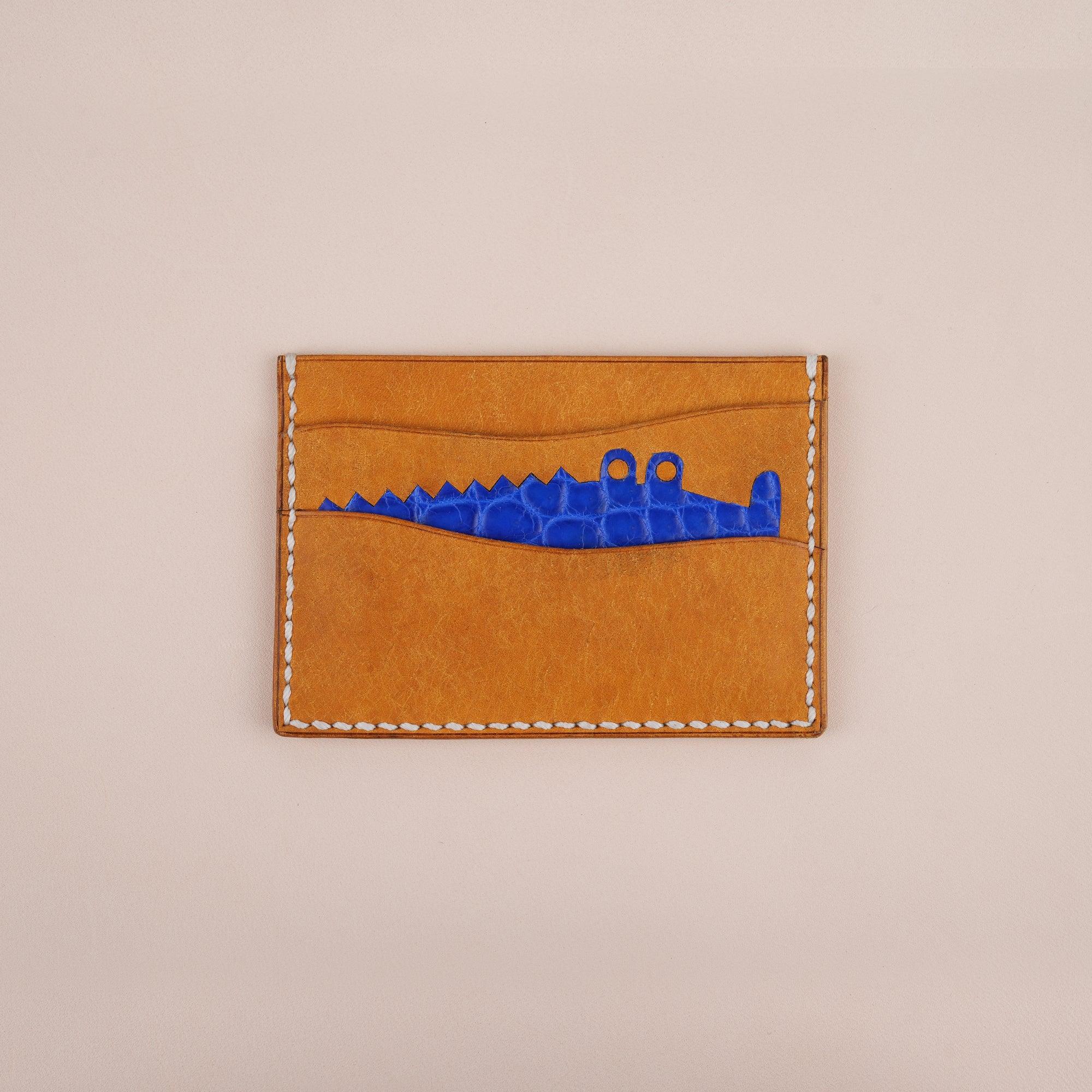
Explore the collection: [Pueblo Wallets] | [Pueblo Leather Minimalist Card Holders]
Our Collection
Pueblo Leather Wallet