
Habana Leather
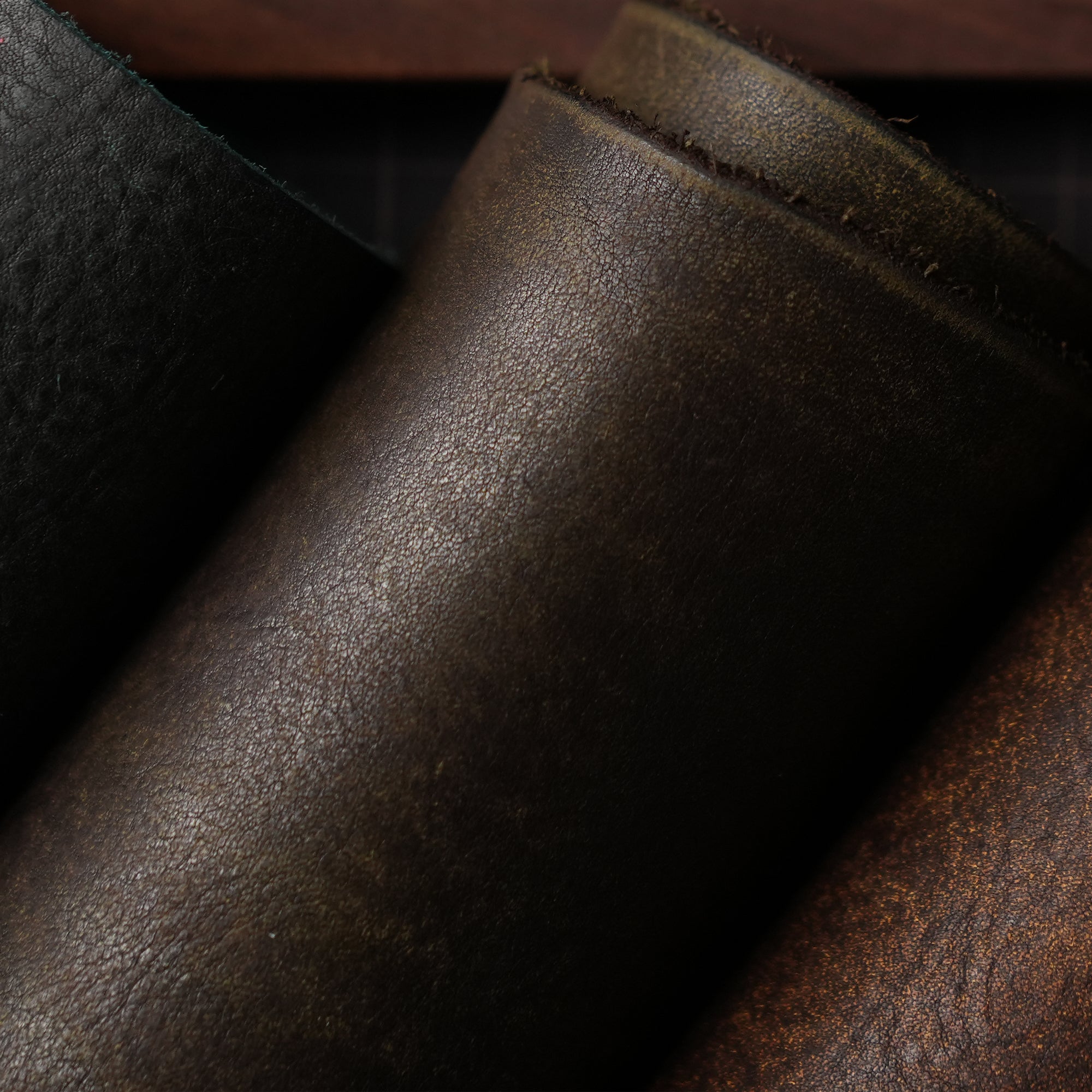
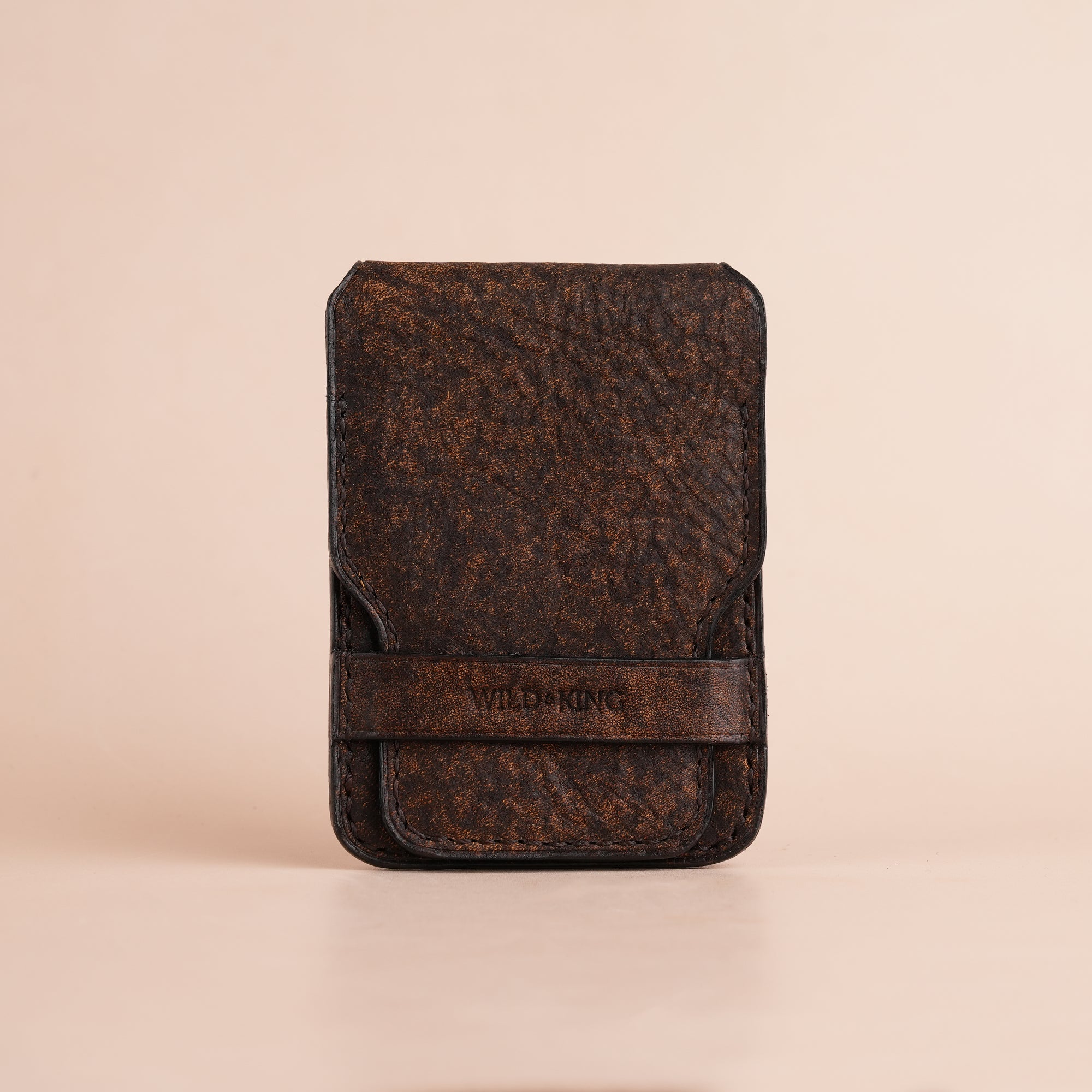
Looking for the truth about habana leather? True Habana leather is not just a dark brown color code. It is a premium, full-grain vegetable-tanned leather from Italy, celebrated for its rugged texture, high sweat resistance, and unique pebbled patina.

However, commercial shoe brands often use the term simply to sell mass-produced oiled nubuck. In this guide, Wild & King will cut through the market confusion, explore exactly how this material ages, compare it with other premium leathers, and show you the expert way to care for it.
The truth about Habana leather
To understand this material, you must separate the authentic Italian craft from the industrial color label.
-
Authentic Italian vegetable tanned: True Habana comes from the legendary Badalassi Carlo tannery in Tuscany. It is a full-grain hide treated with tree bark extracts, animal fats, and waxes. Artisans finish it with a hand-padded, dark-speckled treatment, giving it a breathable, rustic, and two-toned appearance.
-
The Industrial "Habana Color": Mass-market footwear brands use this term to describe thick, waxed nubuck that is factory-distressed to look pre-scratched.
The Wild & King Standard: We never use mass-produced oiled nubuck. Our bespoke pieces are crafted exclusively from authentic Badalassi Carlo vegetable-tanned leather.

Sweat resistance & Color stability
Many buyers worry that vegetable-tanned leather will absorb sweat and quickly turn into a muddy, dark mess. Habana leather solves this through its physical structure:
-
Dense Wax Barrier: The intense wax infusion during the tanning process tightly binds the fibers, naturally repelling hand sweat and environmental moisture.
-
Stable Base Color: Unlike standard vegetable tanned, Habana retains its original two-toned hue over years of daily use without oxidizing into a dull black.

The Patina effect
Habana leather does not just change color, it transforms physically.
-
Friction-Activated: Constant handling and daily friction cause the epidermal layer of the leather to gently contract.
-
The Raised Grain: Instead of becoming smooth, the surface develops a distinctly rugged, slightly pebbled texture.
-
Personalized Character: Every raised crease is a physical record of how you carry the item, creating a vintage, weathered look that is entirely unique to you.

Habana vs. Vegetable tanned
How does it compare to other staple materials in the leathercraft industry?
| Feature | Habana Leather | Epsom Leather | Pueblo Leather |
| Initial Look | Smooth, matte with rustic dark speckling. | Artificially embossed cross-hatch grain. | Intentionally roughened, suede-like nap. |
| Patina Evolution | Develops a raised, textured, pebbled grain. | No patina. Looks exactly the same forever. | Rapid darkening, polishes to a smooth gloss. |
| Sweat Resistance | High. Waxes repel hand oils well. | Exceptional. Waterproof topcoat. | Low. Highly sensitive to moisture. |
| Style Profile | Rugged, vintage, and highly personalized. | Pristine, modern, and elegant. | Bohemian, dynamic, and raw. |

Is Habana leather right for you?
Perfect for:
-
Lovers of a classic, rugged, and vintage aesthetic.
-
Users with naturally sweaty hands who want vegetable tanned leather without the rapid darkening.
-
Enthusiasts who appreciate a highly tactile, textured feel that evolves over time.
Not recommended for:
-
Anyone who wants their accessories to remain plastic-smooth, flawless, and completely unchanged (Epsom is your best choice here).

Exquisite handcrafted applications by Wild & King
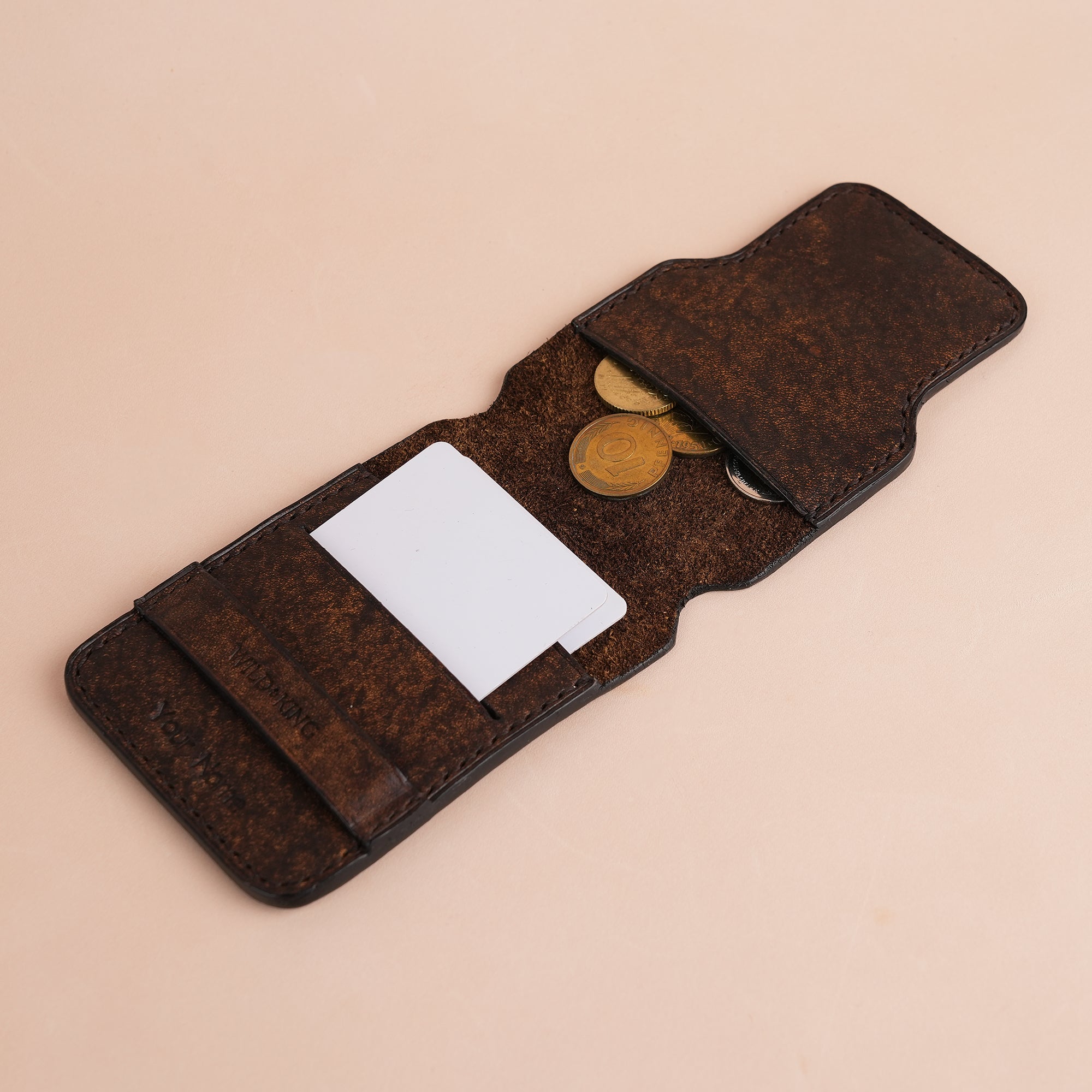
Because of its firm temper and structural integrity, Habana is an extraordinary canvas for traditional hand-stitching.
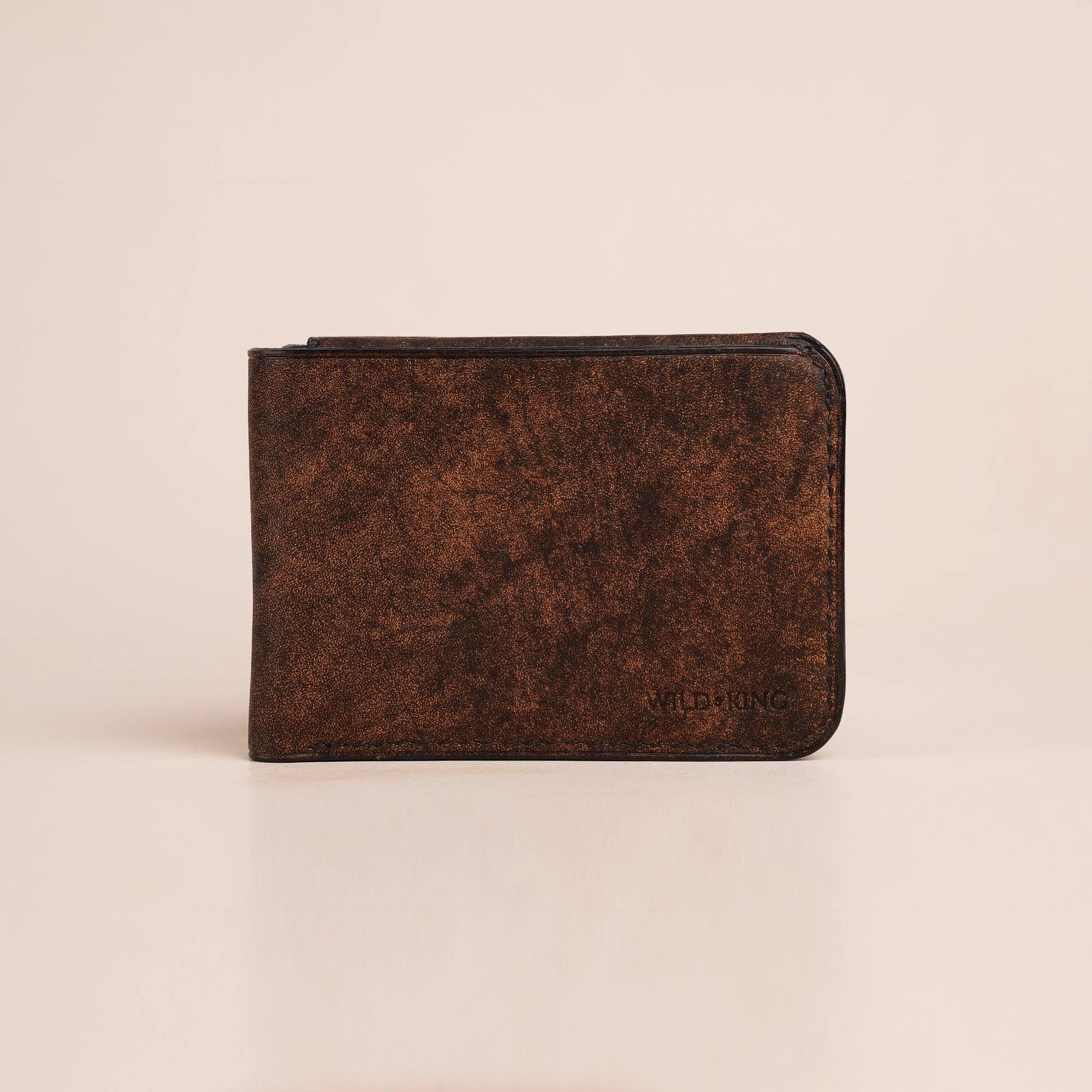
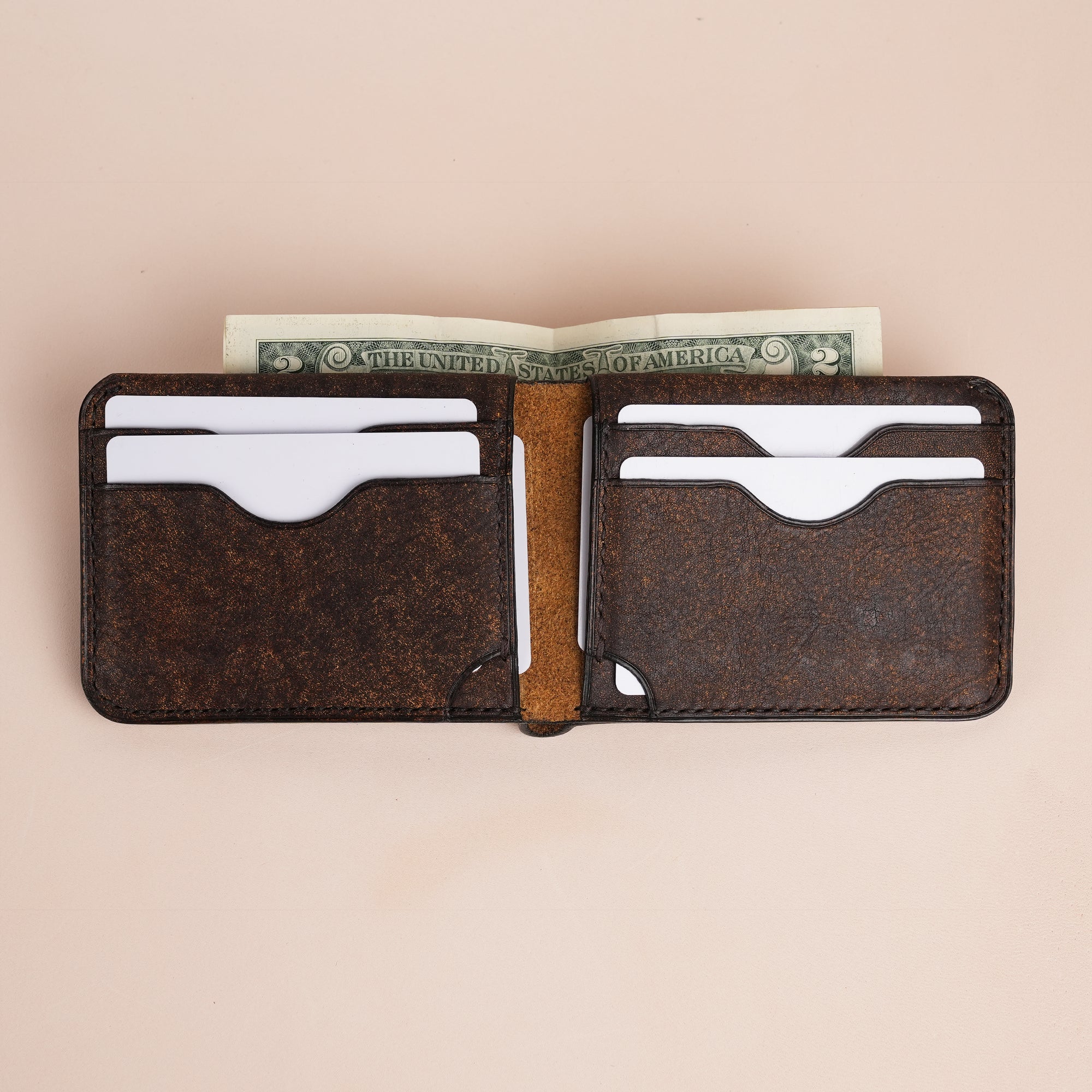
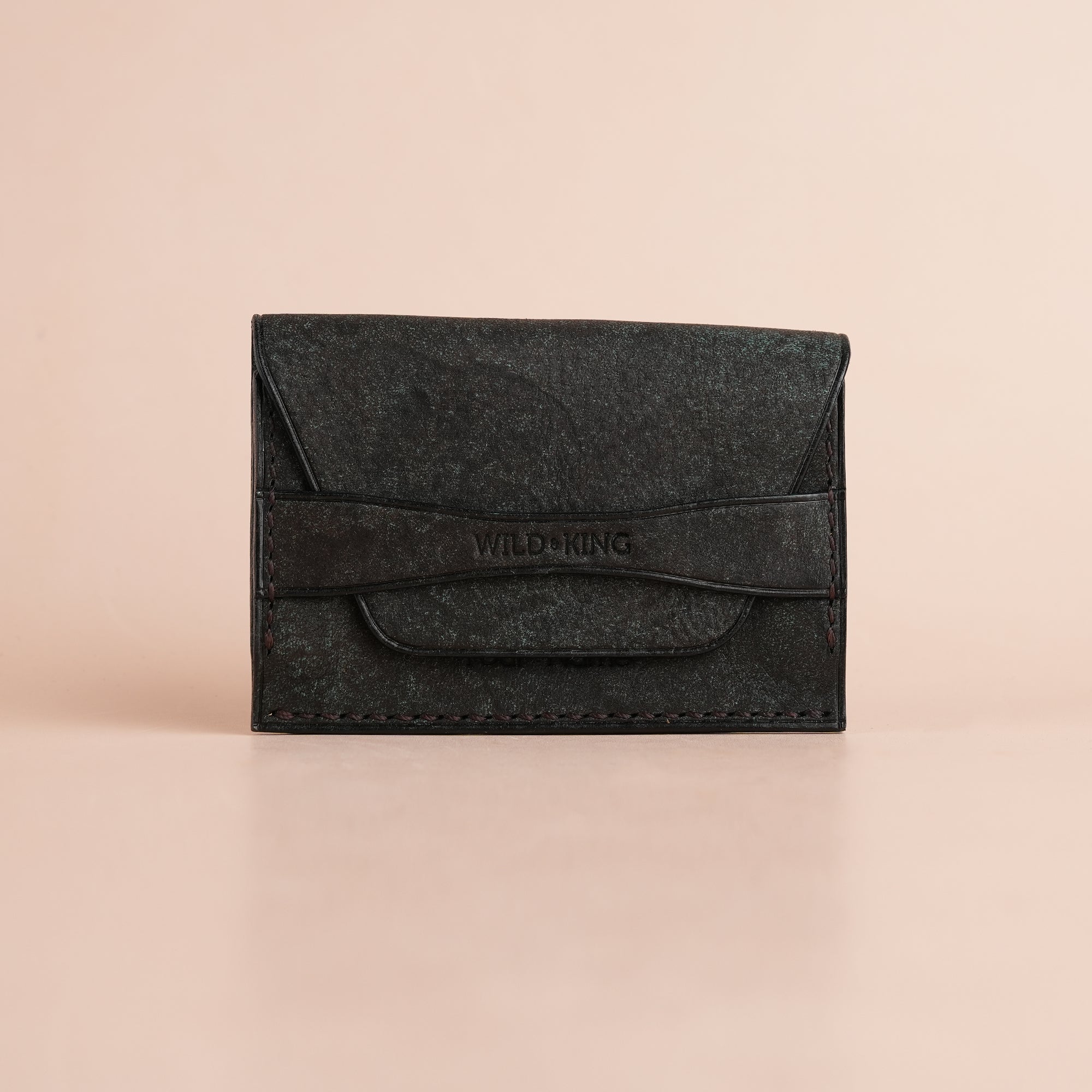
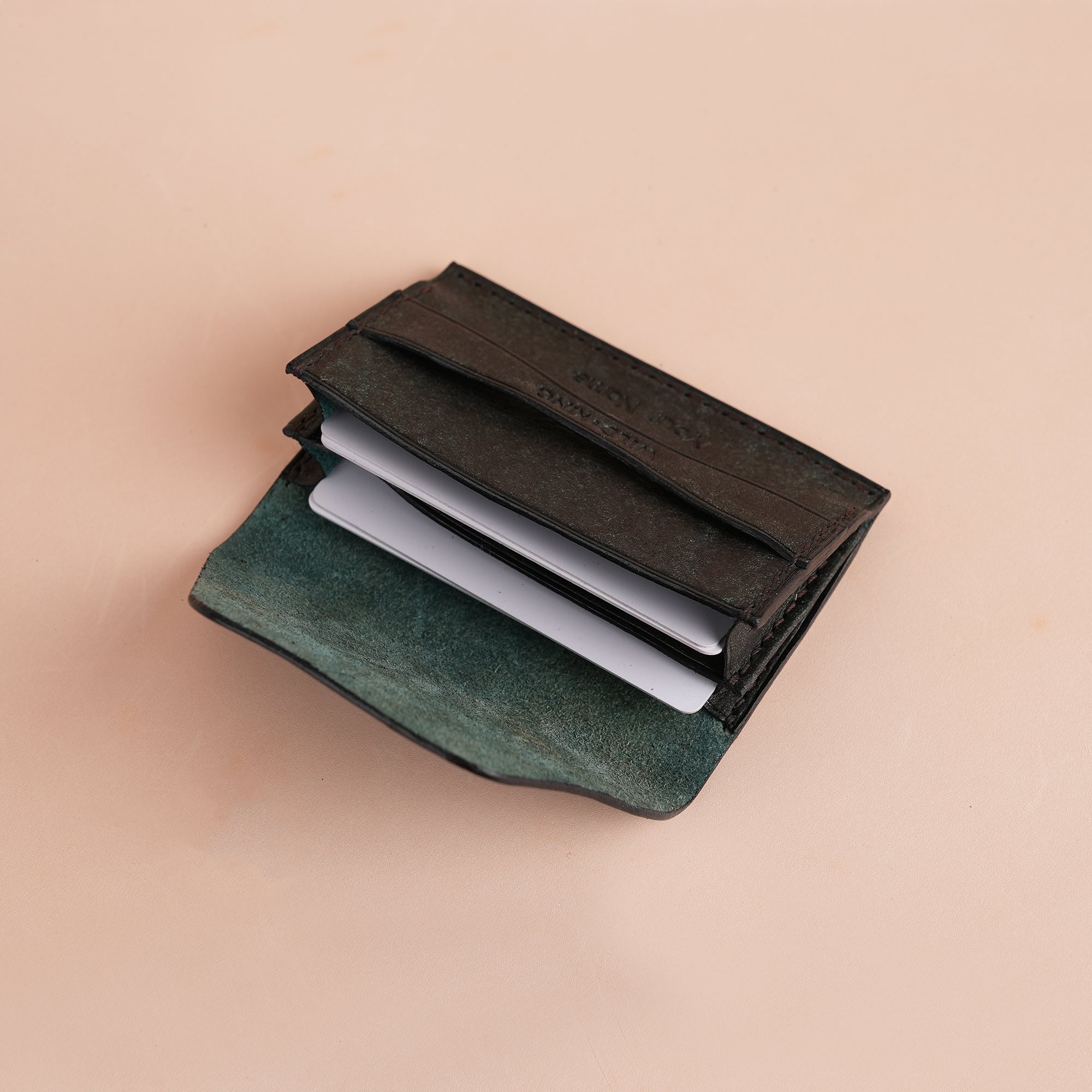
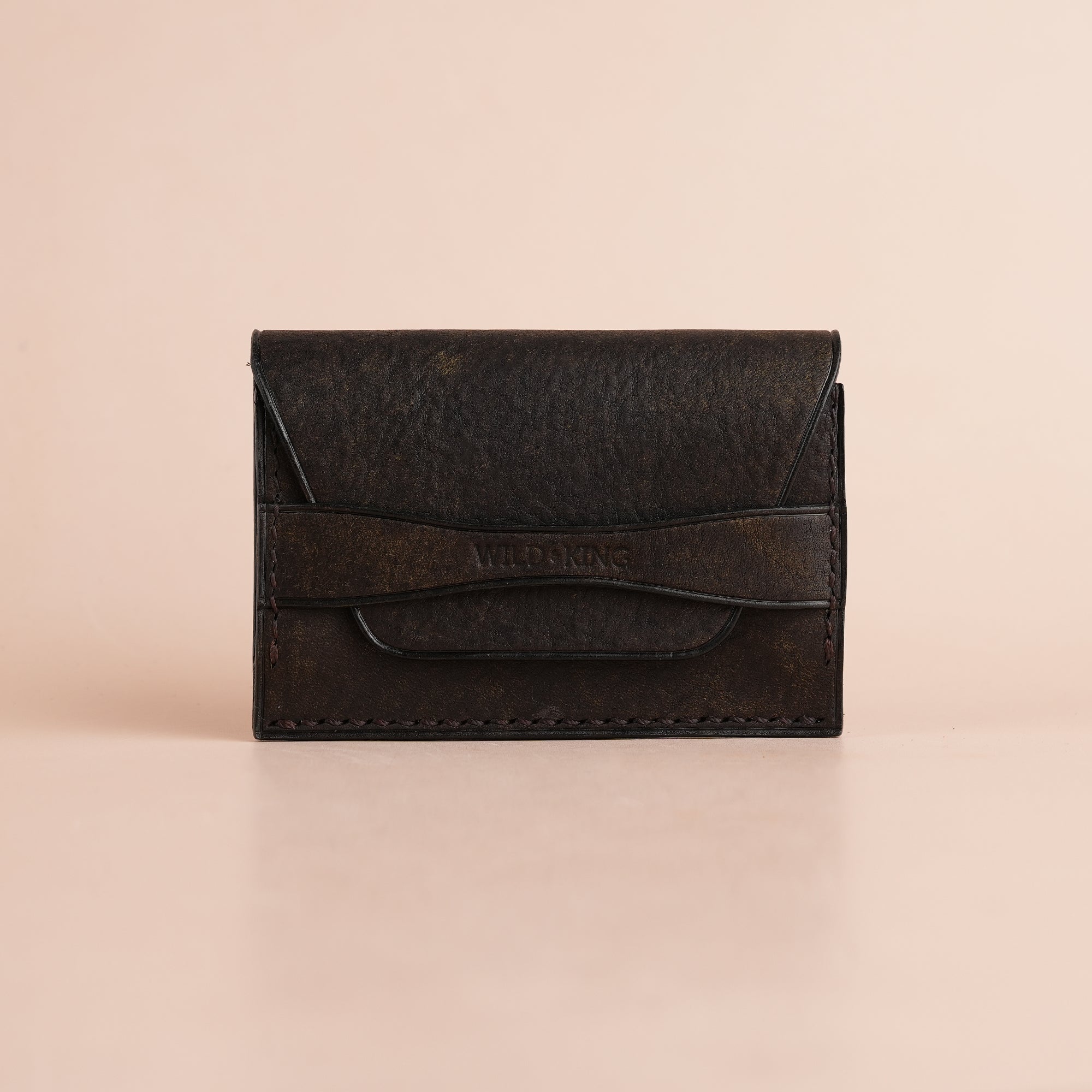
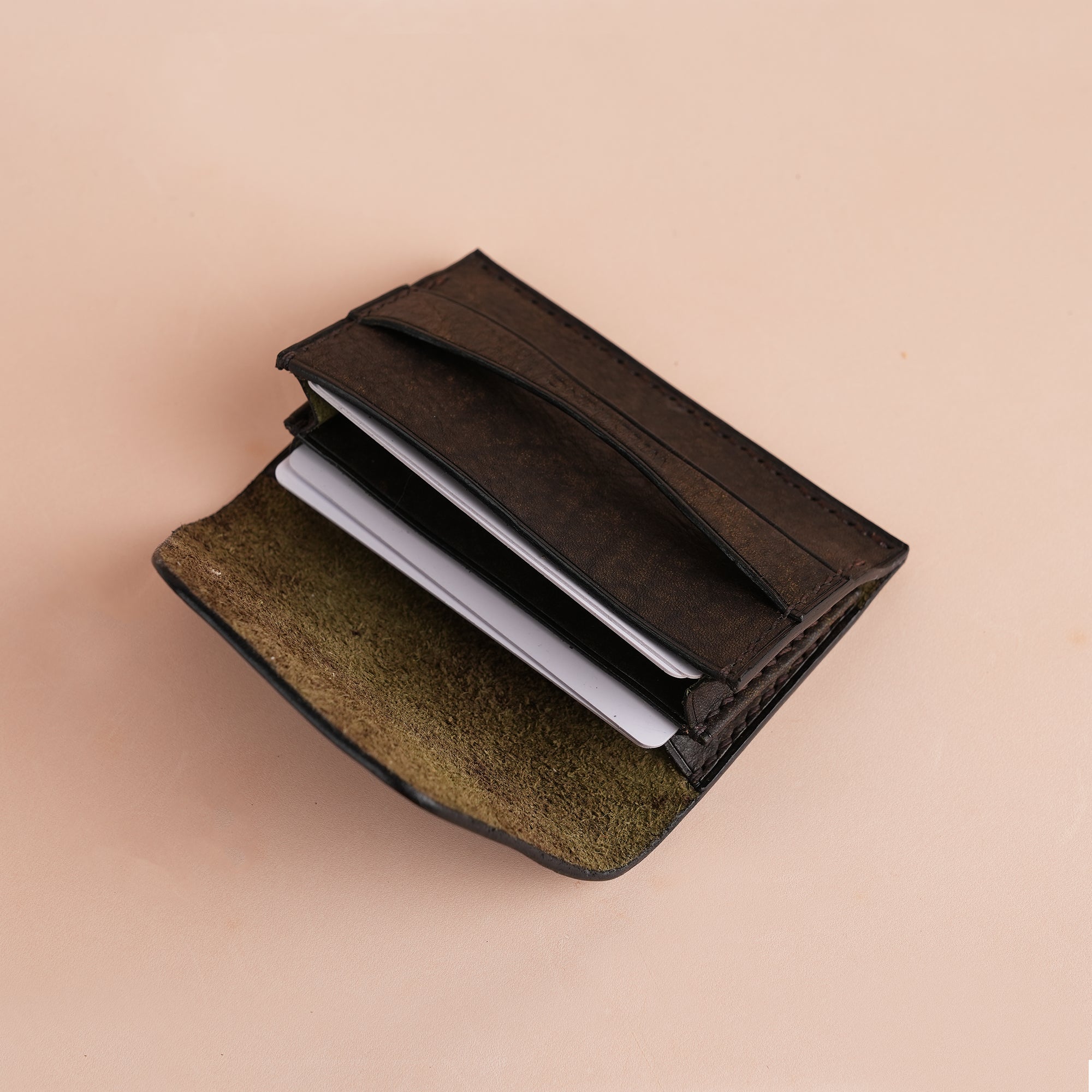
The rugged nature of this leather shines best in high-contact items like bifold wallets, card holders, and bag charm. The constant physical interaction acts as a catalyst, accelerating the beautiful, textured patina without compromising the item's durability.
Expert care guide
Maintaining Habana leather requires a minimalist "less is more" approach.
Rule 1: No Heavy Oils
Never use Mink Oil or Neatsfoot Oil. Heavy industrial waxes will saturate the open grain, strip away the two-toned finish, and turn the leather permanently black.
Rule 2: Neutral Creams Only
To rehydrate the fibers, apply a very thin layer of a premium neutral cream (like Saphir Oiled Leather Cream) just once or twice a year.
Rule 3: The Hand-Friction Hack
If you get a light surface scuff, do not use chemicals. Vigorously rub the scratch with your bare thumb. The natural heat and friction will redistribute the internal waxes and erase the mark.
Rule 4: Air Dry Only
If it gets wet, wipe it down and let it dry at room temperature. Never use a hairdryer.
Conclusion
Habana leather is a testament to the enduring value of traditional Italian tanning. By offering superior sweat resistance and a patina that uniquely raises the grain, it provides a rugged elegance that machines simply cannot replicate. It isn't just a raw material, it is a canvas that records your life's journey.
Experience the perfect synthesis of traditional hand-stitching and Badalassi Carlo's finest hides. Discover your next lifelong companion in our [Habana Leather Wallet Collection] today.
Our Collection
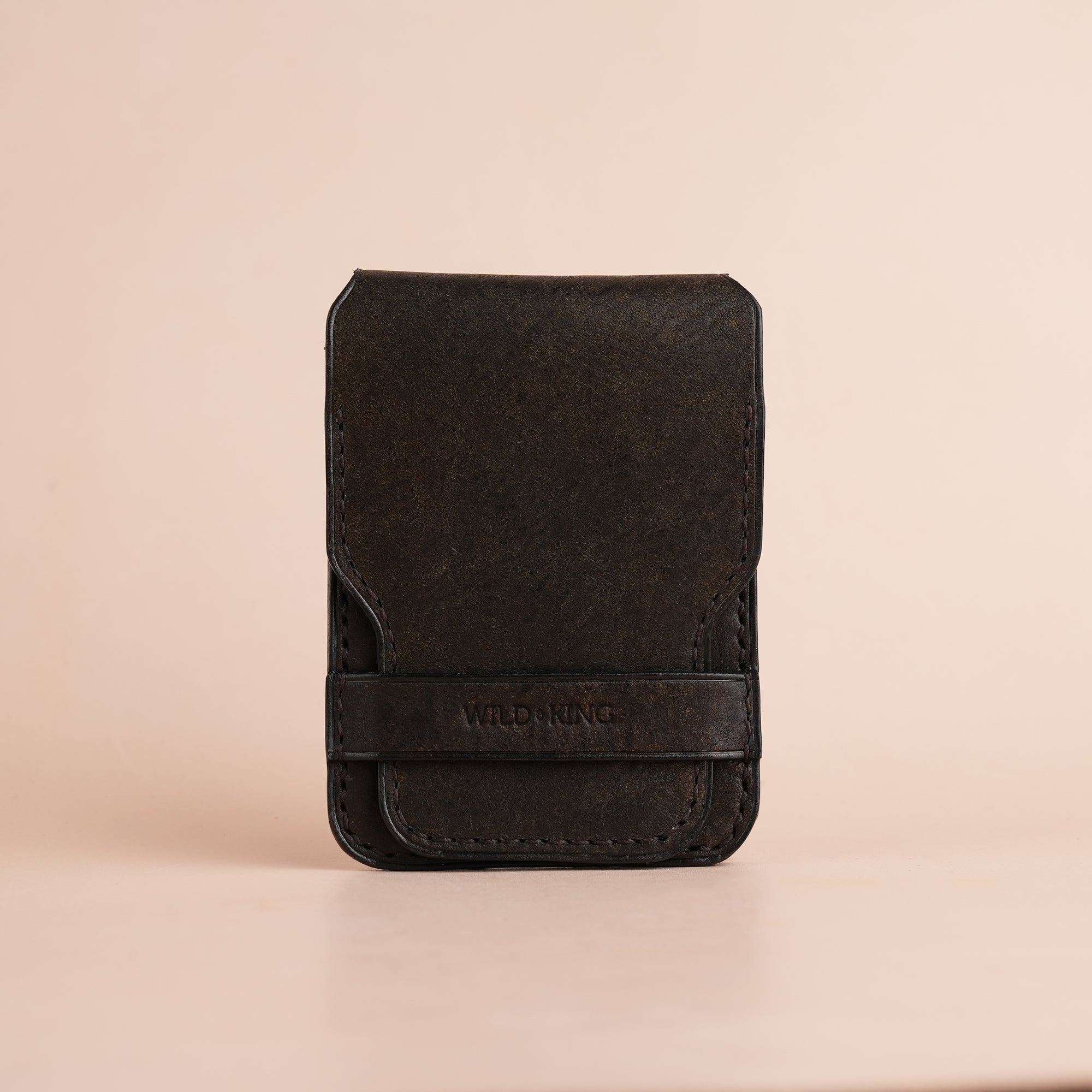
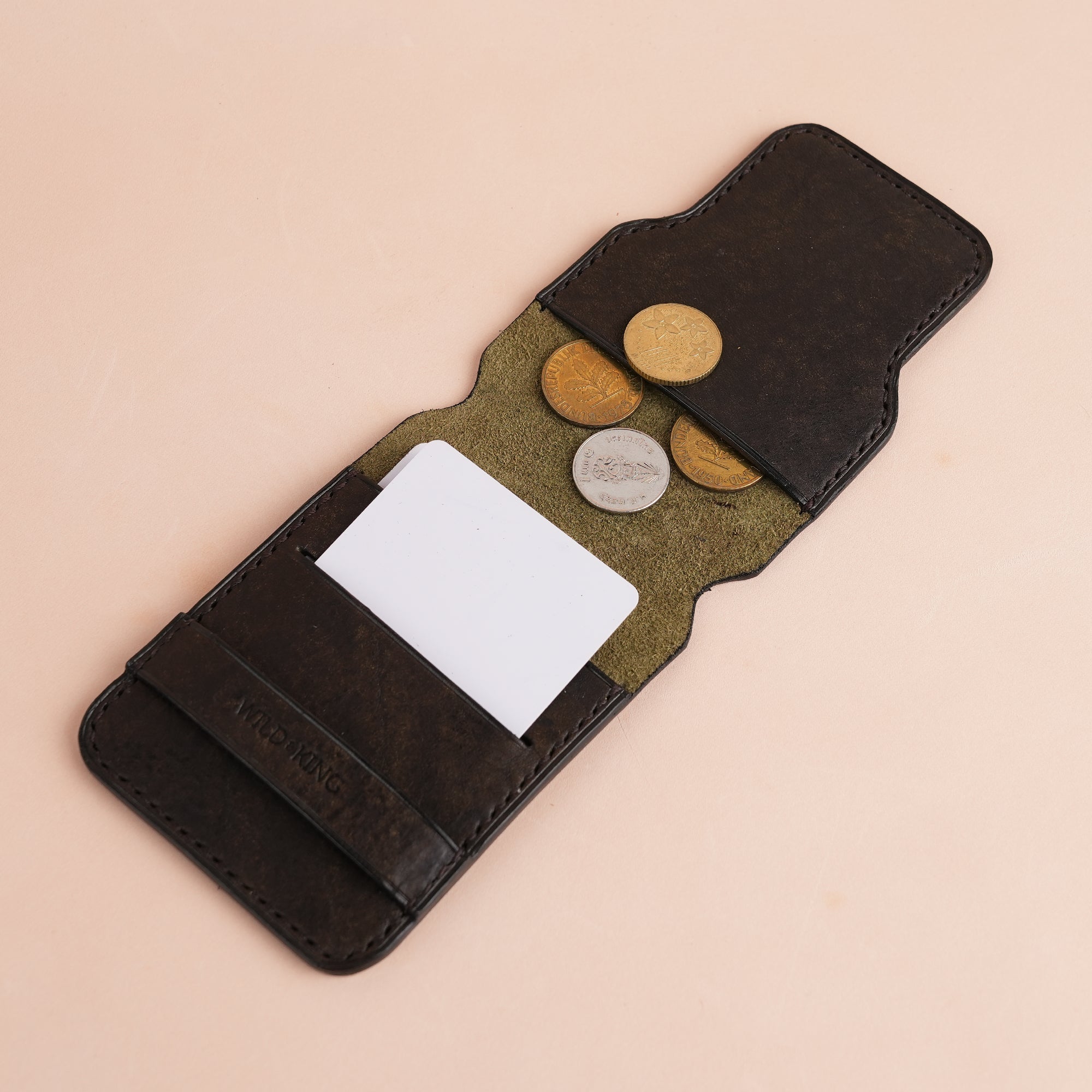
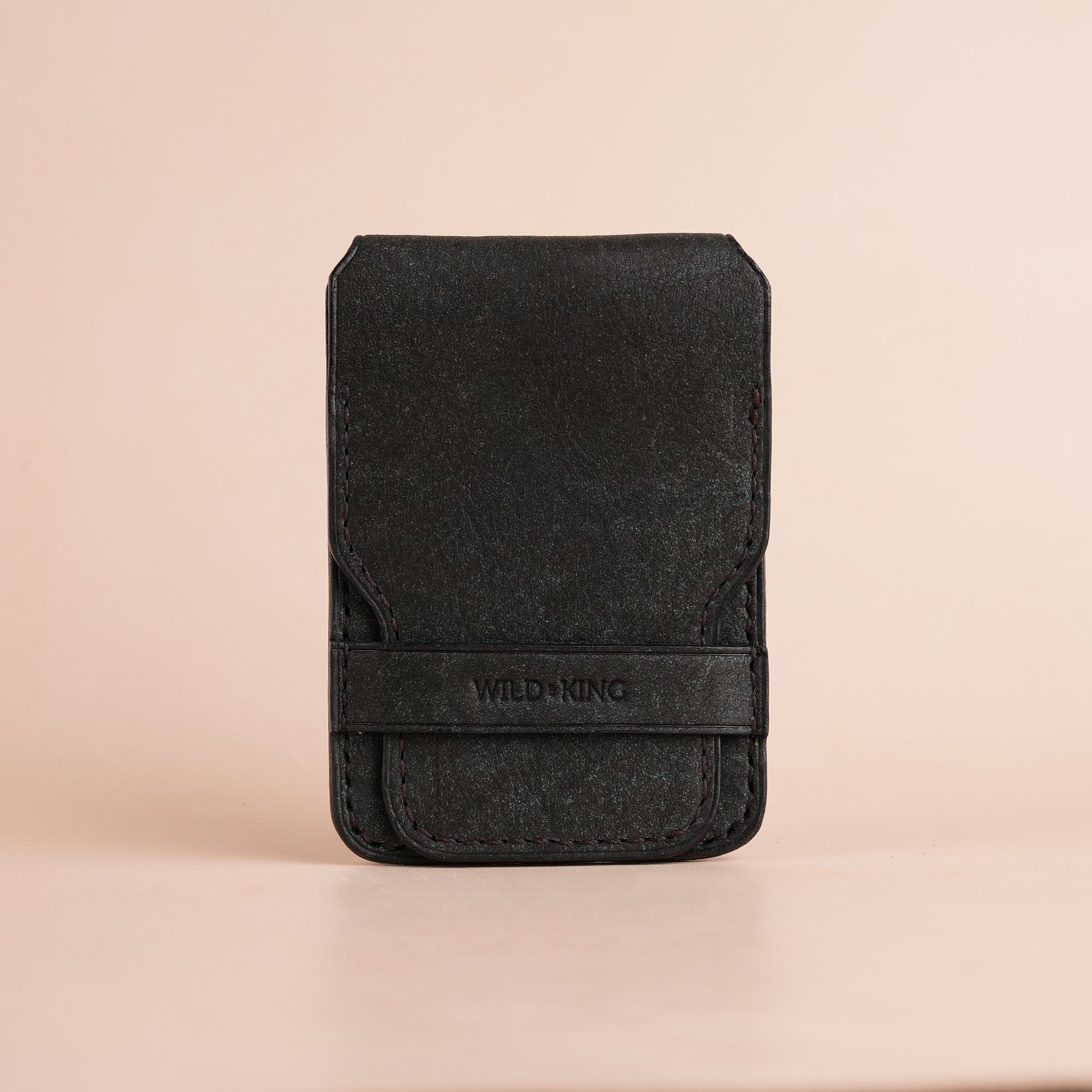
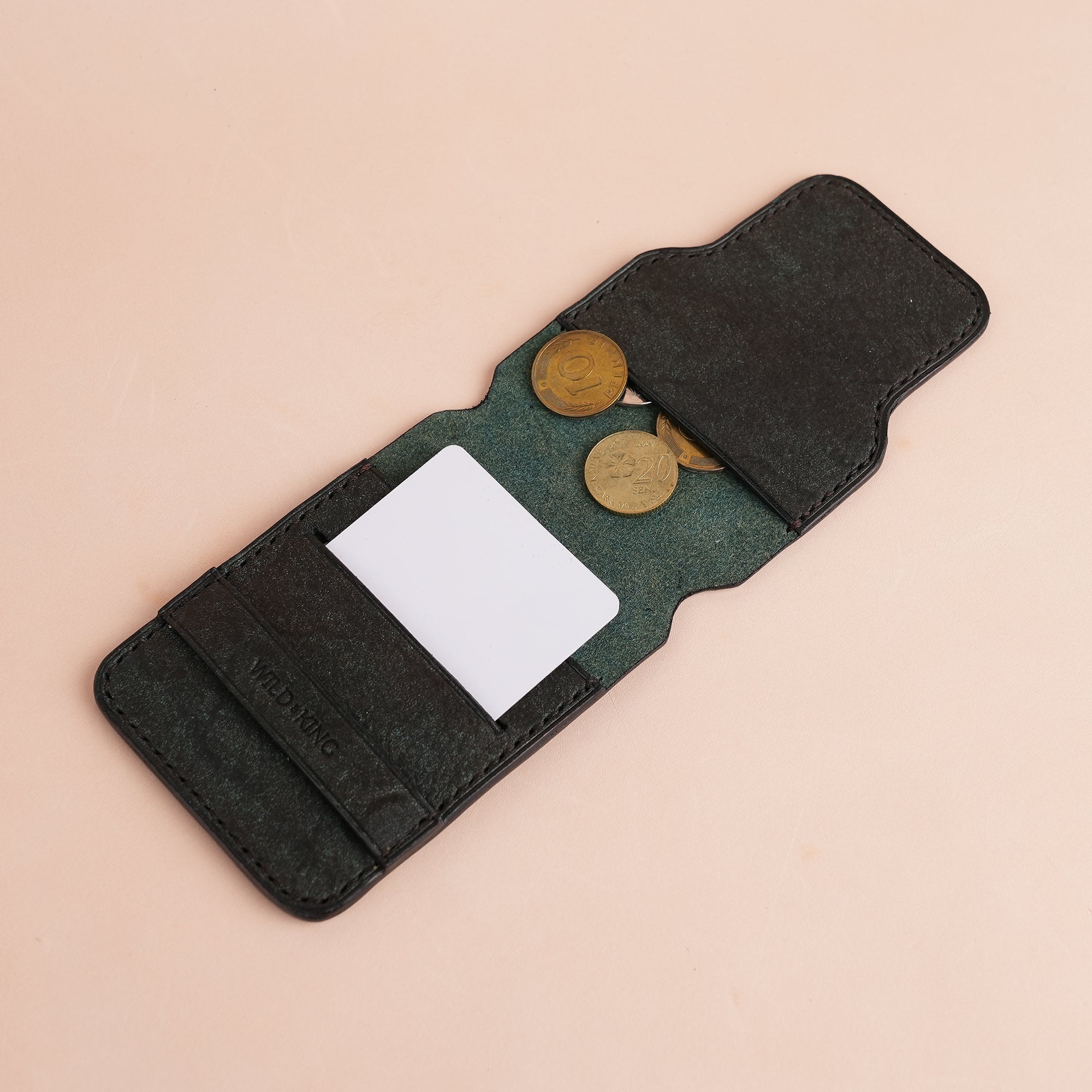
Habana Leather Wallet


Need help?
Frequently Asked Questions
What is the difference between Full-Grain, Top-Grain, and Genuine Leather?
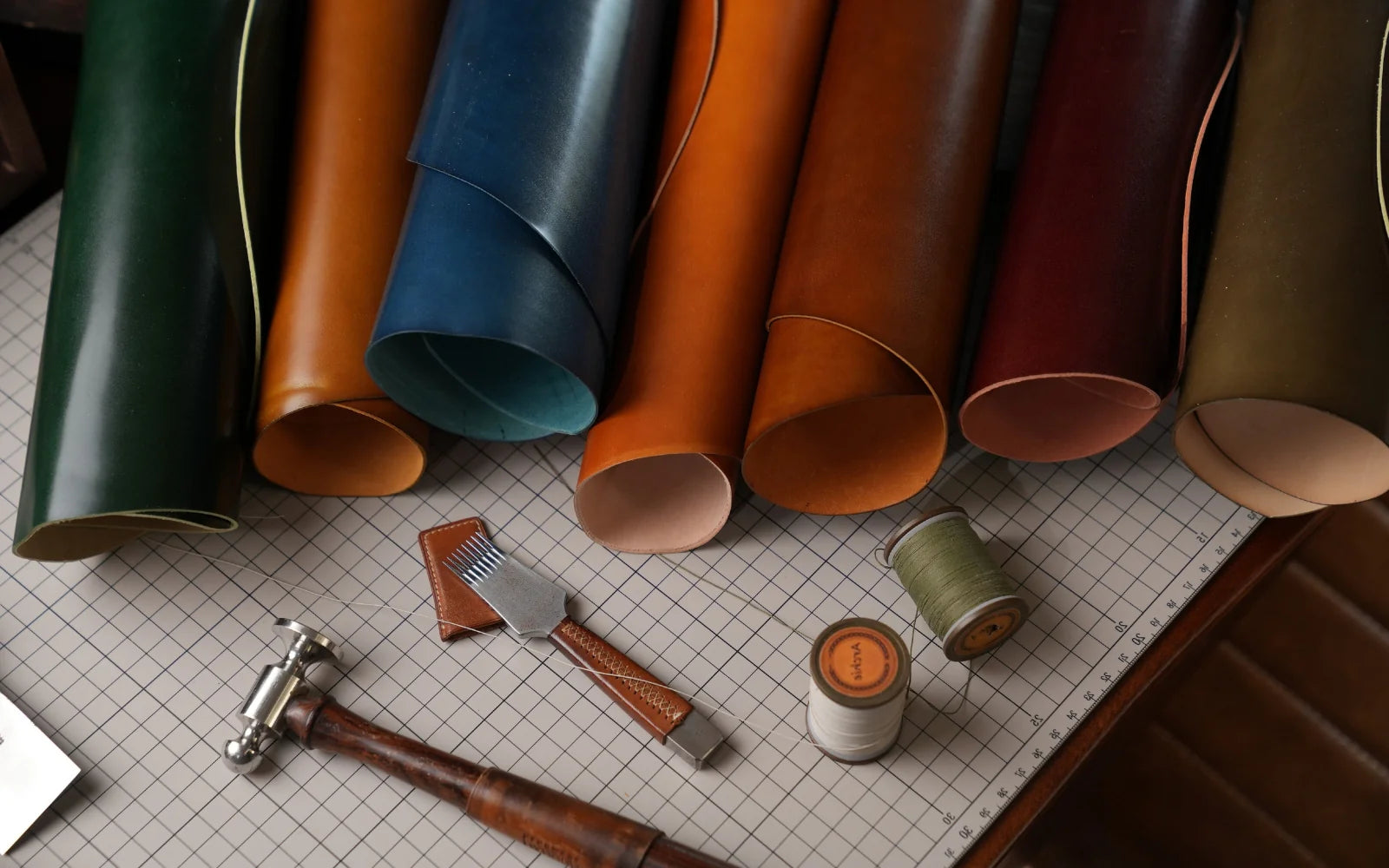
Understanding leather grades is the foundation of choosing a quality men's leather wallet. Genuine leather and top-grain leather are often sanded down to remove imperfections, losing their natural strength. Full-grain leather retains the entire outermost layer of the hide, keeping the fibers densely packed for maximum durability. At Wild & King, we strictly handcraft our products and do not distribute mass-produced third-party brands. Every piece in our workshop, from our classic bifold to our minimalist card holders, is made exclusively from 100% full-grain leathers, including Italian Pueblo, Habana, and premium exotic hides.
Do you ship overseas?
For an everyday carry (EDC) item that lasts a lifetime, you need a material that balances structural integrity with a slim profile. Many users look for a wallet that can survive decades of use. Here is a breakdown of our top-performing artisan materials to help you choose the best fit for your lifestyle:
| Leather Material | Core Characteristic | Patina Development | Scratch Resistance | Best Wallet Style |
|---|---|---|---|---|
| Pueblo (Italy) | Rustic matte texture | Very Fast | Medium | Vintage bifold wallets |
| Habana | Waxy "pull-up" effect | Fast | Medium | Heritage / Workwear EDC |
| Epsom | Embossed rigid structure | None (Color stays true) | Very High | Modern minimalist cardholders |
| Lizard | Beaded scales & slim profile | Slow | High | Elegant front pocket wallets |
| Himalayan, Alligator, Crocodile | Pronounced scales & tough | Slow | Very High | Statement luxury pieces |
Is exotic leather like Crocodile or Ostrich actually better for wallets, or is it just about looks?
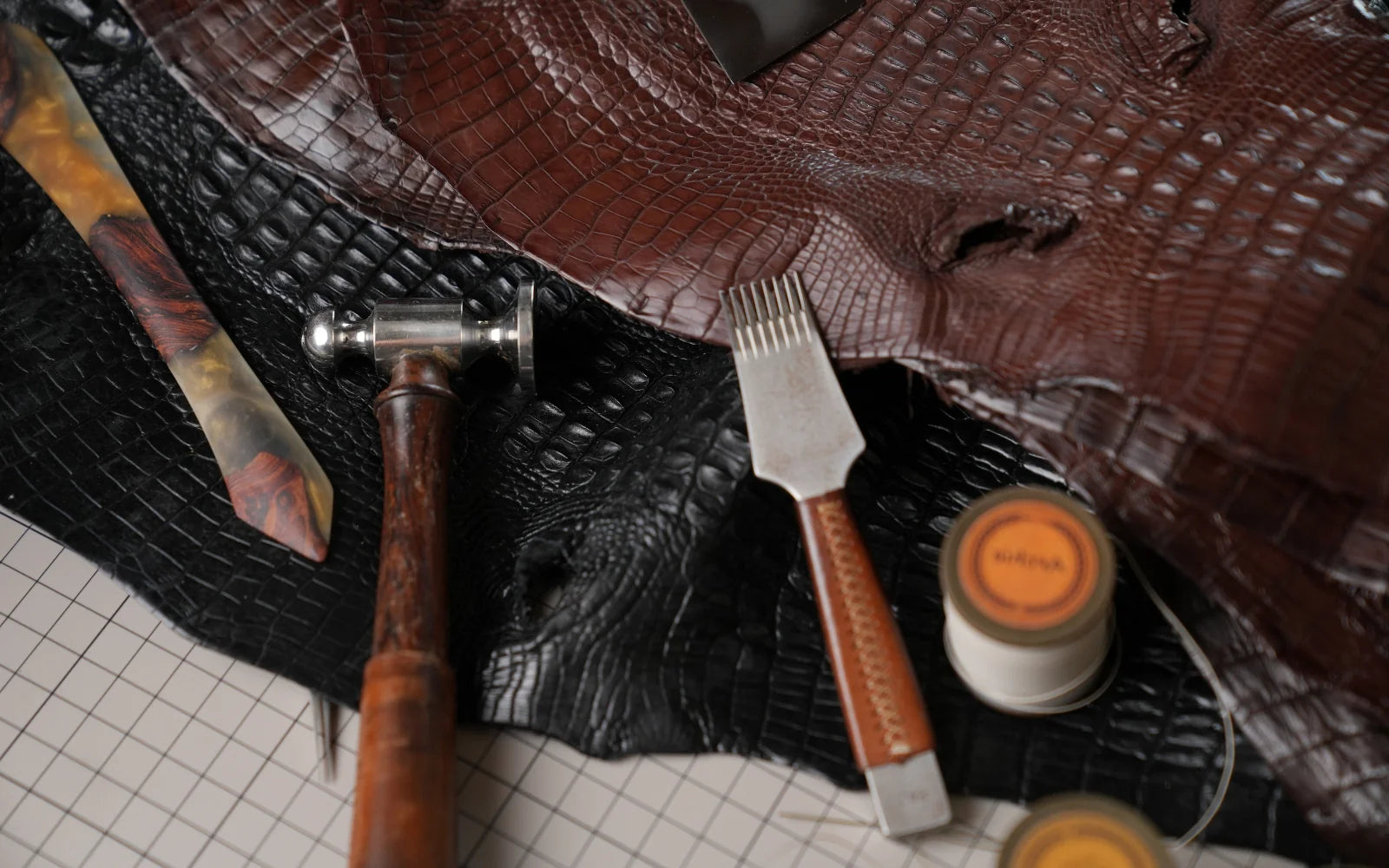
It is not just about aesthetics; exotic leathers offer exceptional real-world performance. Crocodile leather is incredibly tough and provides excellent scratch resistance. Ostrich leather, on the other hand, contains deep natural oils making it softer and lighter than standard cowhide. When these robust exotic leather materials are combined with a traditional hand-sewn saddle stitch, the resulting wallet is structurally superior to machine-stitched luxury fashion brands, ensuring it will never unravel even under heavy daily use.
Which leather develops the best patina for an everyday carry (EDC) wallet?
A rich patina is the hallmark of a high-quality leather good that ages alongside its owner. If you want your custom leather wallet to develop a unique, glossy protective glaze over time, vegetable-tanned leathers are your best option. Our Pueblo and Habana leathers are specifically chosen for their rapid and gorgeous patina development. They absorb natural oils from your hands, healing superficial scuffs and turning a simple minimalist wallet into a deeply personal artifact.
How can I tell if a handmade leather wallet is made from genuine full-grain leather when buying online?
Buying online can make it difficult to judge quality. To ensure you are investing in true full-grain craftsmanship rather than plastic-coated substitutes, look closely at the product photos, specifically the edges. Industrial wallets use thick, rubbery edge paint to hide weak layers. Artisan workshops showcase their full-grain leather by naturally burnishing the edges with beeswax and friction. Additionally, look for brands that explicitly detail their tanning processes and leather origins (like Badalassi Carlo for Pueblo), which is a strong indicator of authentic handmade leather craftsmanship.