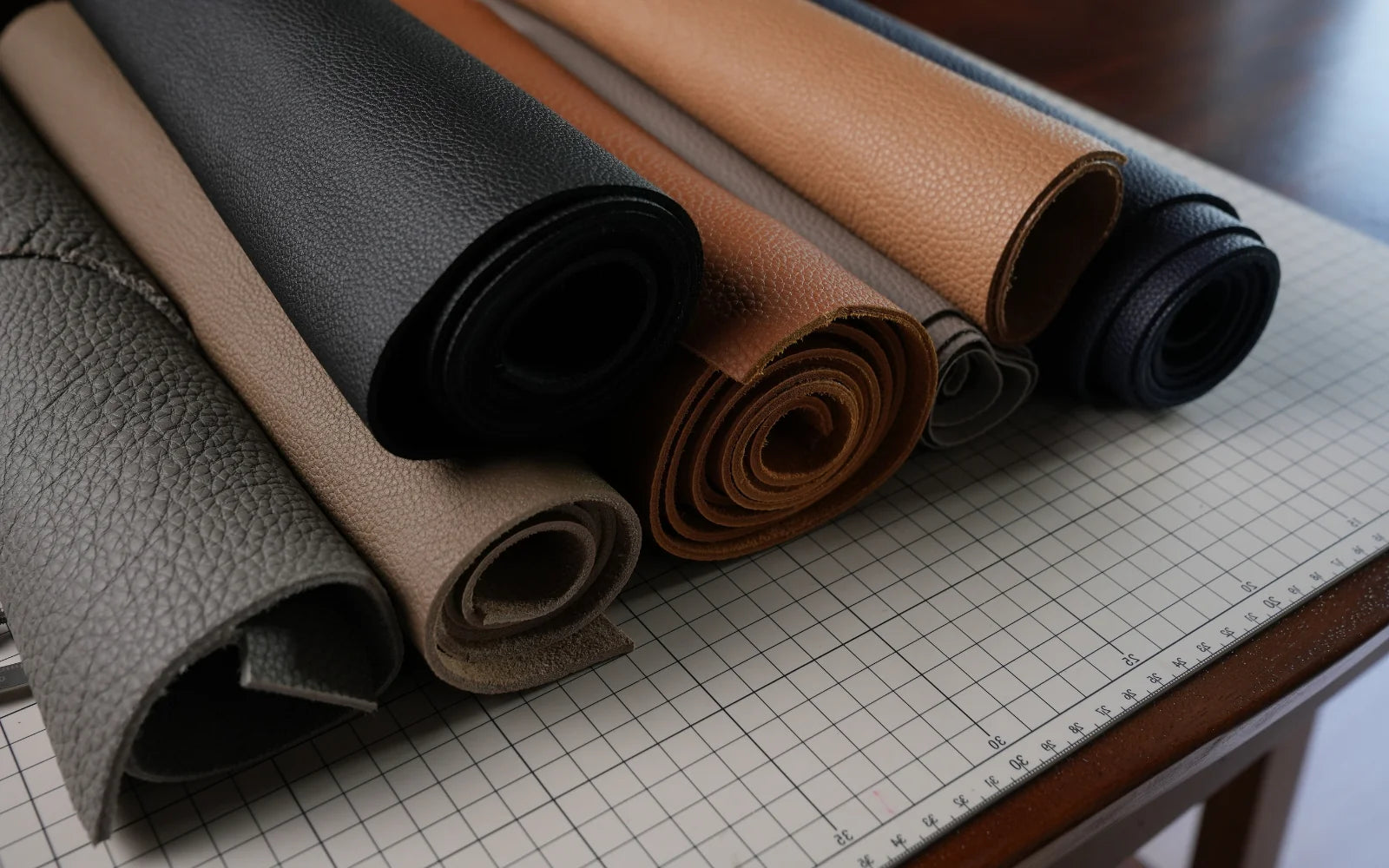

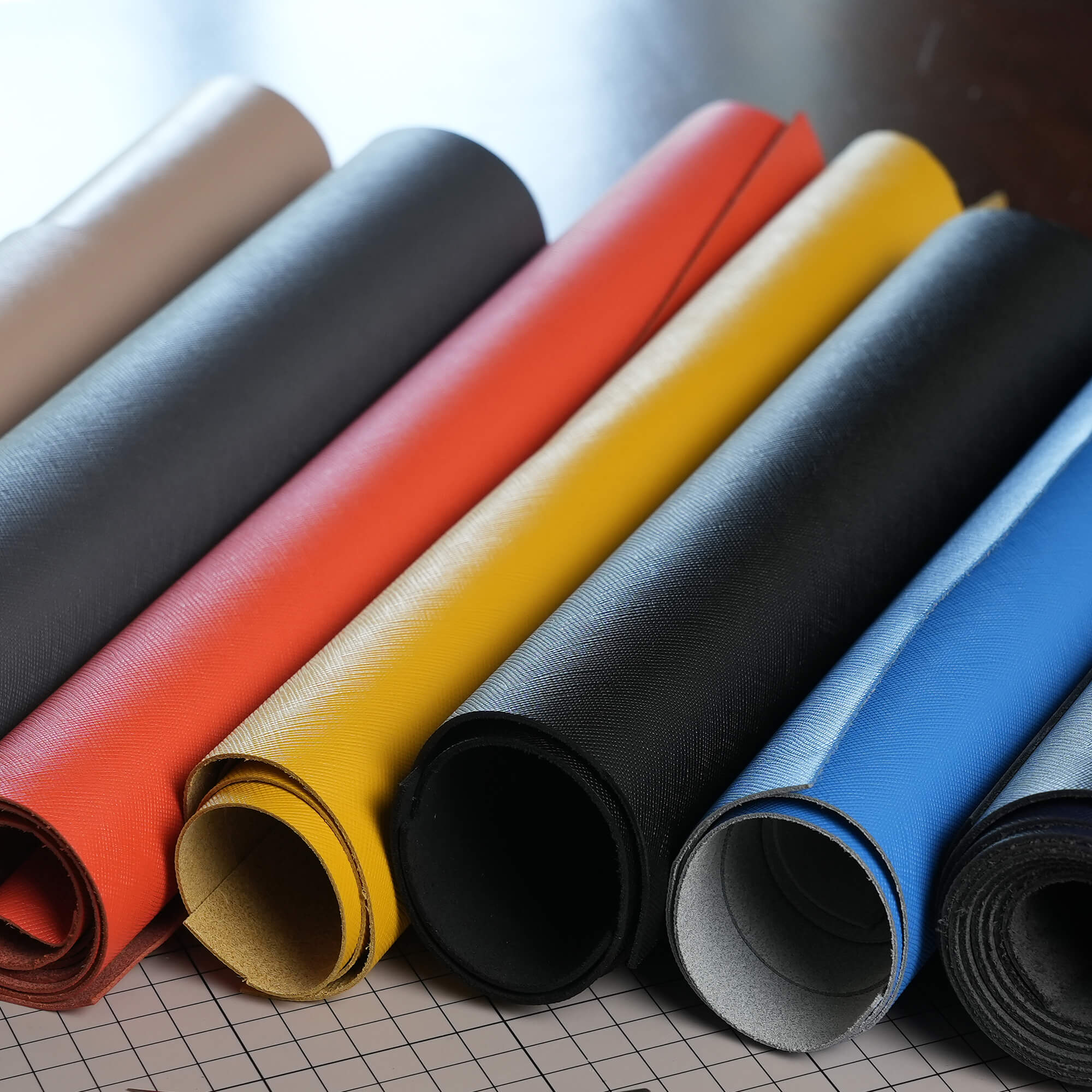
Saffiano Leather

The renowned fashion house Prada was founded by the visionary designer Mario Prada, who is also credited with introducing the world to the timeless Saffiano leather line. Mario Prada’s iconic handmade bag from 1913 was the first product in this line and marked the beginning of his successful fashion empire.
The Saffiano leather line quickly gained popularity among Italian fashion lovers due to its sophisticated appearance and practical benefits, such as durability and ease of maintenance.
Today, this leather line continues to be a staple in the fashion world and a testament to Mario Prada’s timeless sense of style and innovation.
The Manufacturing Process of Saffiano Leather
The Saffiano leather manufacturing process starts with high-grade calfskin that is stamped at high temperatures for a few seconds. This results in basic skin textures, which are then covered with a layer of plastic or wax to protect the surface from scratches and water damage. The final result is the crisscrossed diagonal lines that make Saffiano leather recognizable and resistant to stains, scratches, and water.
Saffiano leather can be made from genuine leather or synthetic material, so it’s important to ask for information when choosing a product.
Need help?
Frequently Asked Questions
What is the difference between Full-Grain, Top-Grain, and Genuine Leather?
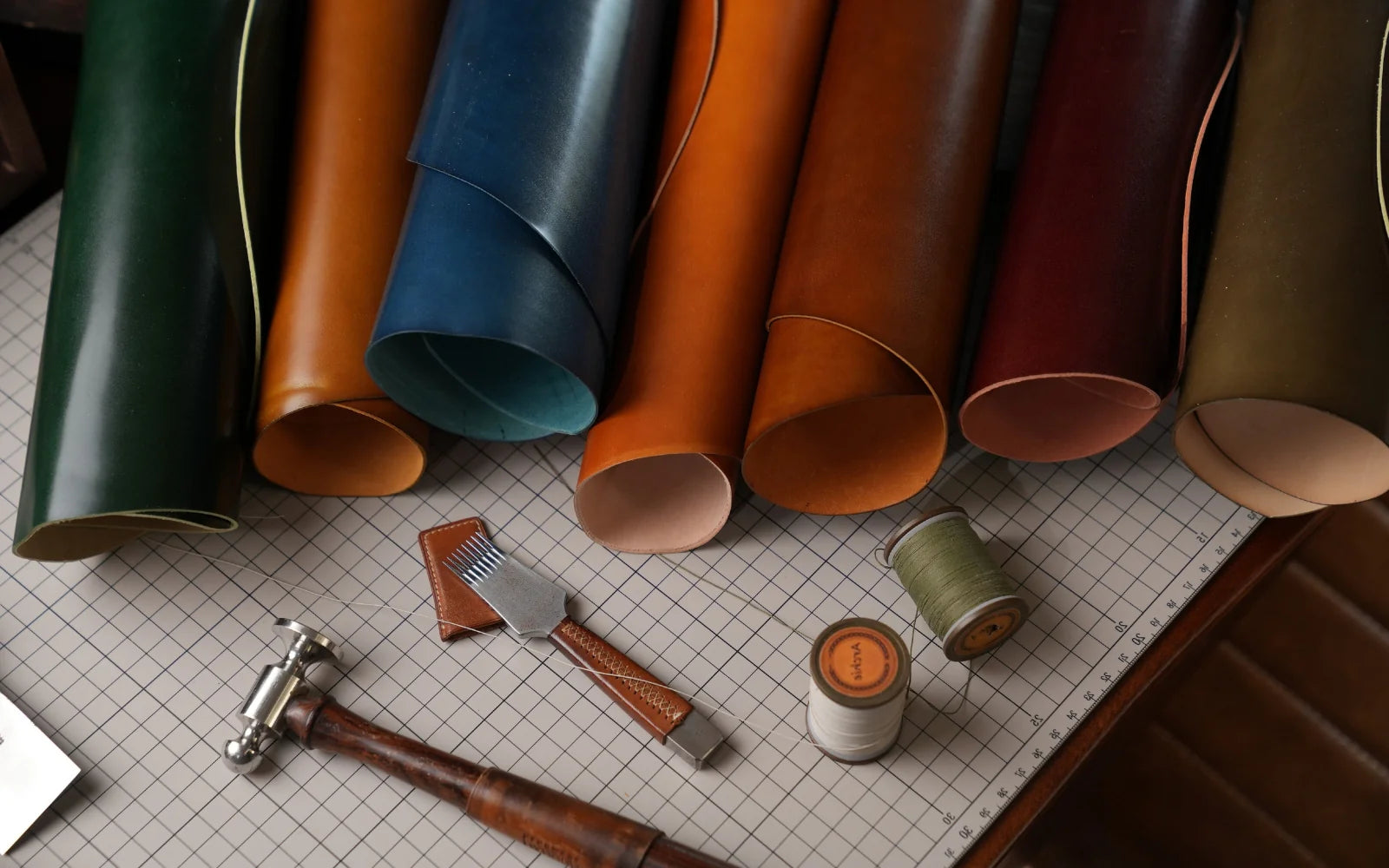
Understanding leather grades is the foundation of choosing a quality men's leather wallet. Genuine leather and top-grain leather are often sanded down to remove imperfections, losing their natural strength. Full-grain leather retains the entire outermost layer of the hide, keeping the fibers densely packed for maximum durability. At Wild & King, we strictly handcraft our products and do not distribute mass-produced third-party brands. Every piece in our workshop, from our classic bifold to our minimalist card holders, is made exclusively from 100% full-grain leathers, including Italian Pueblo, Habana, and premium exotic hides.
Do you ship overseas?
For an everyday carry (EDC) item that lasts a lifetime, you need a material that balances structural integrity with a slim profile. Many users look for a wallet that can survive decades of use. Here is a breakdown of our top-performing artisan materials to help you choose the best fit for your lifestyle:
| Leather Material | Core Characteristic | Patina Development | Scratch Resistance | Best Wallet Style |
|---|---|---|---|---|
| Pueblo (Italy) | Rustic matte texture | Very Fast | Medium | Vintage bifold wallets |
| Habana | Waxy "pull-up" effect | Fast | Medium | Heritage / Workwear EDC |
| Epsom | Embossed rigid structure | None (Color stays true) | Very High | Modern minimalist cardholders |
| Lizard | Beaded scales & slim profile | Slow | High | Elegant front pocket wallets |
| Himalayan, Alligator, Crocodile | Pronounced scales & tough | Slow | Very High | Statement luxury pieces |
Is exotic leather like Crocodile or Ostrich actually better for wallets, or is it just about looks?
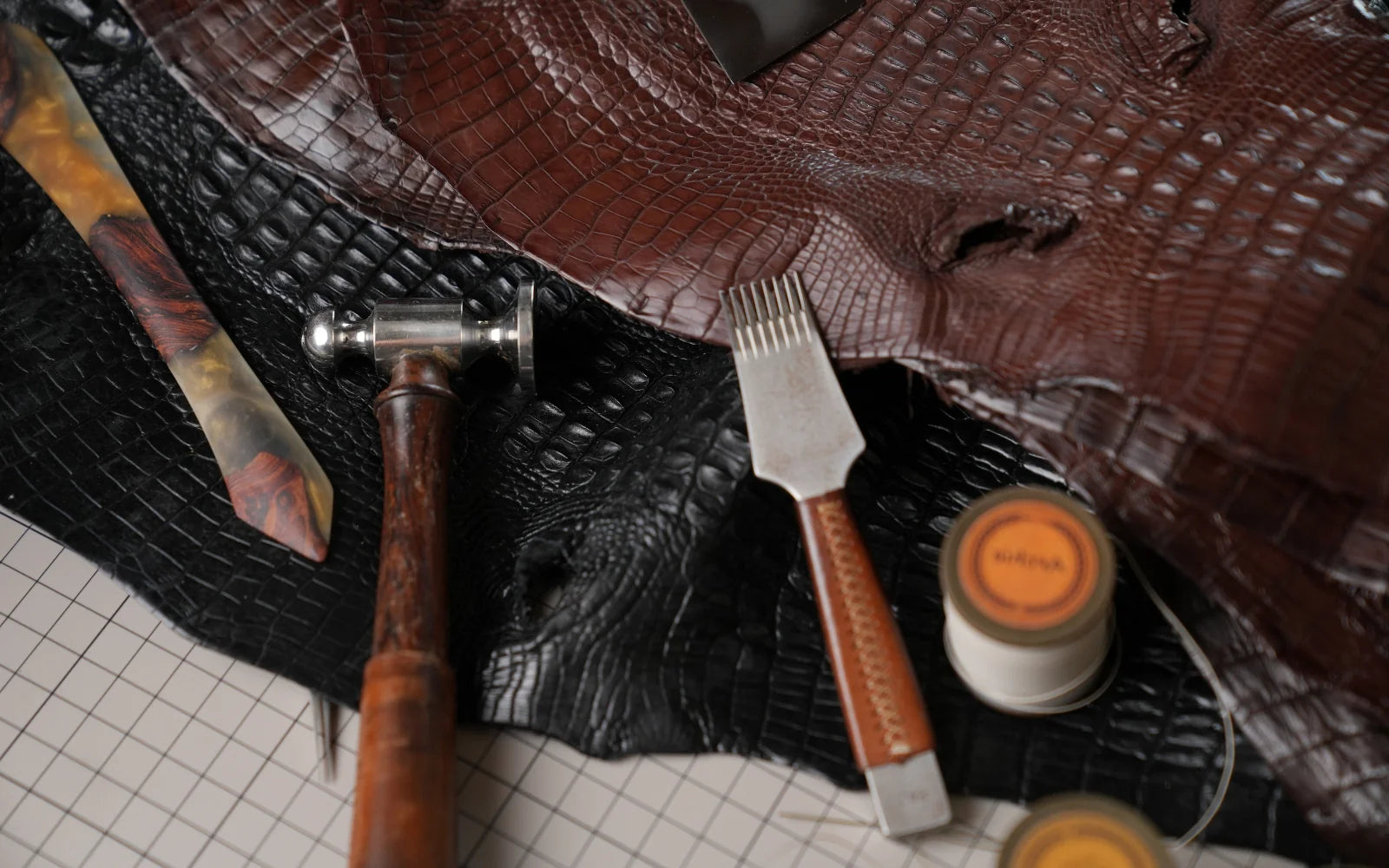
It is not just about aesthetics; exotic leathers offer exceptional real-world performance. Crocodile leather is incredibly tough and provides excellent scratch resistance. Ostrich leather, on the other hand, contains deep natural oils making it softer and lighter than standard cowhide. When these robust exotic leather materials are combined with a traditional hand-sewn saddle stitch, the resulting wallet is structurally superior to machine-stitched luxury fashion brands, ensuring it will never unravel even under heavy daily use.
Which leather develops the best patina for an everyday carry (EDC) wallet?
A rich patina is the hallmark of a high-quality leather good that ages alongside its owner. If you want your custom leather wallet to develop a unique, glossy protective glaze over time, vegetable-tanned leathers are your best option. Our Pueblo and Habana leathers are specifically chosen for their rapid and gorgeous patina development. They absorb natural oils from your hands, healing superficial scuffs and turning a simple minimalist wallet into a deeply personal artifact.
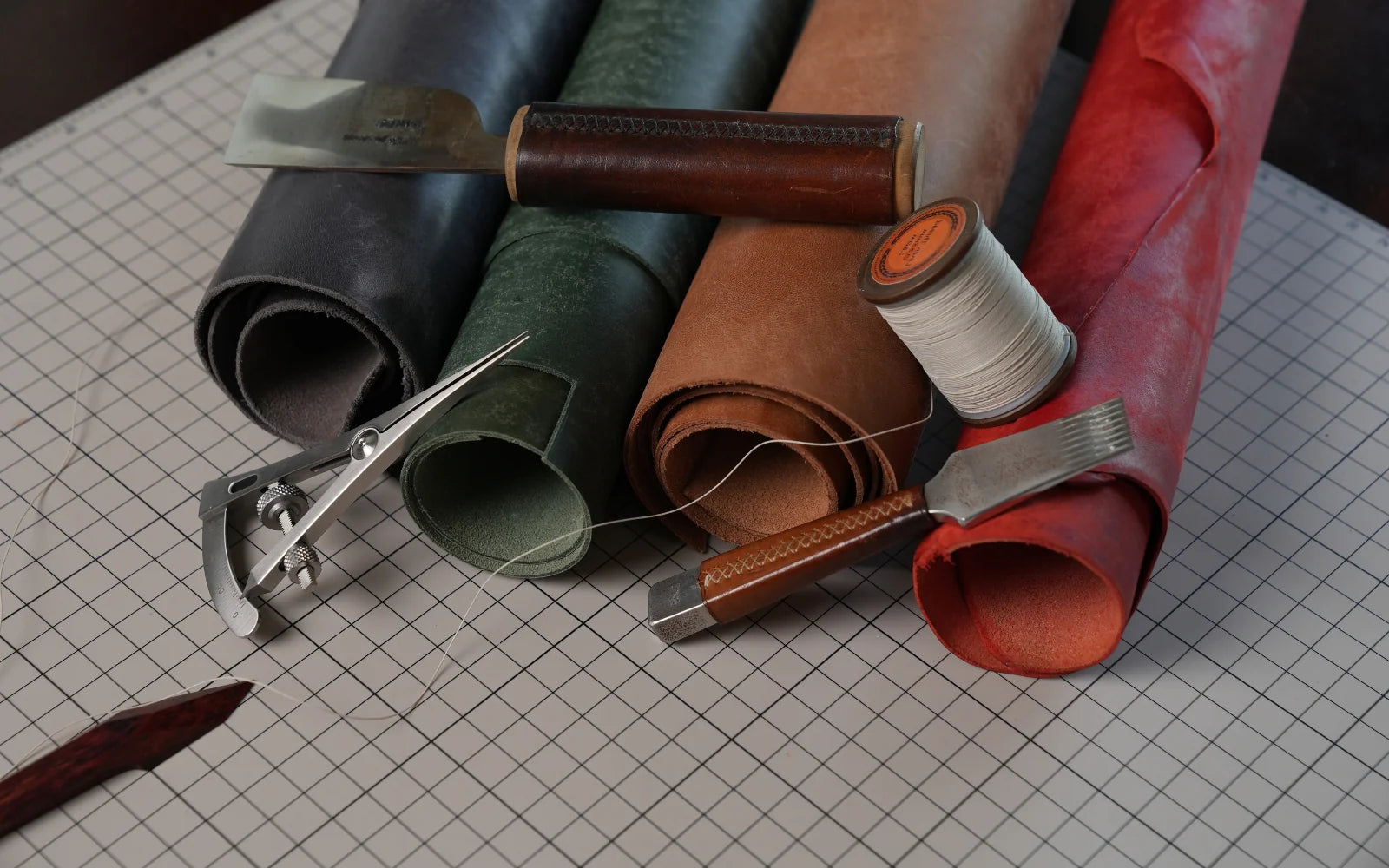
How can I tell if a handmade leather wallet is made from genuine full-grain leather when buying online?
Buying online can make it difficult to judge quality. To ensure you are investing in true full-grain craftsmanship rather than plastic-coated substitutes, look closely at the product photos, specifically the edges. Industrial wallets use thick, rubbery edge paint to hide weak layers. Artisan workshops showcase their full-grain leather by naturally burnishing the edges with beeswax and friction. Additionally, look for brands that explicitly detail their tanning processes and leather origins (like Badalassi Carlo for Pueblo), which is a strong indicator of authentic handmade leather craftsmanship.