


Alligator vs Lizard Bifold Wallet: Which One Should You Choose?
Table of Contents
- 1. Alligator vs lizard bifold wallet: the fast answer
- 2. What changes in daily use: durability, fold lines, and pocket feel
- 2.1. Why alligator tends to suit heavier folding
- 2.2. Why lizard works best when slimness matters more
- 3. Look, prestige, and scale pattern
- 4. Price and value: why the gap exists
- 5. Care basics for exotic bifold wallets
- 5.1. How often should an exotic bifold be conditioned?
- 5.2. What should I do if the wallet gets wet?
- 6. Which one fits your lifestyle?
- 7. Where to go next at Wild & King
If you want the tougher daily-use option with a bolder luxury look, choose an alligator bifold. If you want a slimmer, quieter wallet with fine scale detail and easy handling, choose lizard. Both are exotic leathers built to impress, but they behave differently once they live in your pocket.

This guide by Wild & King will compare alligator leather and lizard leather through the real questions owners ask: how they hold up at the fold, how they feel, what they cost, and how to care for them.
Alligator vs lizard bifold wallet: the fast answer
Alligator is thick, rigid, and structured. It holds its shape, carries obvious prestige, and reads as a confident status piece. Lizard is naturally thin, pliable, and scratch resistant, with a finer texture that leans toward quiet, understated luxury.
Lean alligator if you want a wallet that makes a statement, keeps a firm structure, and rewards a slower, more careful ownership style. Lean lizard if you carry in a front pocket, hate bulk, and want an exotic wallet you can use heavily without babying it. Neither is objectively better. They simply suit different carry habits and different tastes.

What changes in daily use: durability, fold lines, and pocket feel
A bifold folds and unfolds all day, so the fold line matters more than any spec sheet. This is where alligator and lizard behave in noticeably different ways.
Why alligator tends to suit heavier folding
Alligator hide is thick and firm, with large calcified scales that give the leather an armor-like rigidity. That structure holds a bifold’s shape well and resists slumping over time. The trade-off is stiffness. A new alligator wallet can feel tight at first and needs a short break-in period before the fibers relax and mold to your cards.
Because the scales are rigid, the smart move is to avoid overstuffing and tight, forced folding. Stress at the fold and pressure on the scale edges are the things to watch. Treated with a light hand, alligator ages by softening and deepening in character rather than wearing thin.
Why lizard works best when slimness matters more
Lizard skin is naturally thin, roughly 0.4mm to 0.6mm, so it can be crafted into a razor-slim bifold without heavy skiving. It keeps its full strength while nearly disappearing in a pocket. Its small, tight scales also act as a shield, deflecting minor scratches and hiding everyday wear inside the busy pattern.
Unlike alligator, lizard is pliable from day one, so it bends comfortably without a long break-in. It flexes at the fold rather than fighting it. That makes lizard the easier daily driver for people who use a wallet hard and want it to stay flat and quiet in the pocket.
One honest caveat applies to both. Exotic leather is a prestige material, not an indestructible one. It resists wear beautifully when handled well, but it still responds to abuse, moisture, and heat. Realistic expectations keep either wallet looking its best for years.
Look, prestige, and scale pattern
The visual identity is where these two leathers separate most clearly.
Alligator shows large, clean, square scales with a distinct three-dimensional feel of ridges and valleys. American alligator lacks the sensory pores you see on crocodile, which gives it a sharper, less busy surface. It photographs as bold and recognizable, the classic “I have arrived” signal. The scale pattern is the whole point, and it commands attention.

Lizard runs in the opposite direction. Its tiny, uniform scales resemble fine beadwork or grains of rice, cool to the touch and intricate up close. Wild & King often calls lizard the “Architect’s Choice” because it is precise and detailed yet never shouts. If alligator is power and status, lizard is quiet, refined luxury that rewards a second look rather than demanding the first one.

Price and value: why the gap exists
Alligator usually sits at the top of the exotic price ladder, and lizard offers strong value as an entry into luxury exotics. The gap is not about branding. It comes from the material and the work.
Alligator hides are expensive, and cutting them is high-stakes. The calcified scales are hard, one slip can ruin a hide, and machine stitching can shatter the scales, so careful hand techniques like saddle stitching are used to protect the leather. That risk and skill are built into the price.

Lizard costs less at the raw level, but it demands its own precision. Because the cut edges are jagged, the edges take far more sanding and polishing than ordinary leather. With ring lizard especially, the natural rings must be aligned and centered, where a deviation of a couple of millimeters throws off the whole look. So value here is a choice: pay more for alligator’s rarity and bold prestige, or get an exotic slim wallet with excellent value in lizard.
| Factor | Alligator | Lizard |
| Thickness | Thick and rigid, holds shape | Naturally thin, ultra slim |
| Scale pattern | Large, bold, clean scales | Fine, uniform micro texture |
| Vibe | Power and status | Quiet, understated luxury |
| Scratch handling | Durable, but visible on glazed tiles | Excellent, hides wear well |
| Break-in | Needs a short break-in | Flexible from day one |
| Aging | Softens and deepens in color | Glazed finish keeps its shine |
| Investment | Highest tier | Strong value entry to exotics |
Care basics for exotic bifold wallets
Both leathers follow the same gentle logic. Treat an exotic bifold as a precision-finished item, not a rugged workhorse, and it rewards you for years. Our full exotic leather care guide covers the details, but the wallet-specific essentials are simple.
- Wipe gently with a soft, dry or slightly damp cloth, following the direction of the scales. Skip soap, alcohol, and solvents.
- Never use heat to dry it. No hair dryers, radiators, or direct sun, since heat curls the scales and invites cracking.
- Avoid overstuffing and long-term tight folding, which stress the fold line.
- Store it in a breathable dust bag, away from sunlight and airtight plastic.

How often should an exotic bifold be conditioned?
Only when the leather feels dry to the touch or looks matte, which usually lands around every three to six months depending on your climate and how hard you use it. Use a light, non-greasy conditioner made for reptile or exotic skins, test a hidden spot first, and go easy. Over-conditioning softens scales and clouds the finish.
What should I do if the wallet gets wet?
Blot the excess with a soft cloth instead of rubbing, then let it air-dry at room temperature away from any heat source. A few drops will not ruin it, but prolonged moisture causes water spots, stiffening, and cracking. For serious water damage on exotic skin, a professional is the safer call.
Which one fits your lifestyle?
Think about how you actually carry, not just how the wallet looks on a table.
- Heavy daily use and front-pocket carry: lizard. It stays slim, flexes easily, and shrugs off scratches, making it the smart daily driver.
- Office and status-driven moments: alligator. Its bold scales and firm structure read as prestige at a dinner or a meeting.
- True minimalist with keys in the same pocket: lizard, thanks to its shield-like scales and naturally thin profile.
- The collector who wants the top-tier statement piece: alligator, the most recognizable and most expensive of the two.
- Neutral, unisex sophistication: lizard, with its quiet, refined appeal.
If you still feel torn, weigh prestige against practicality. Alligator wins on presence and structure. Lizard wins on slimness, everyday toughness, and value.
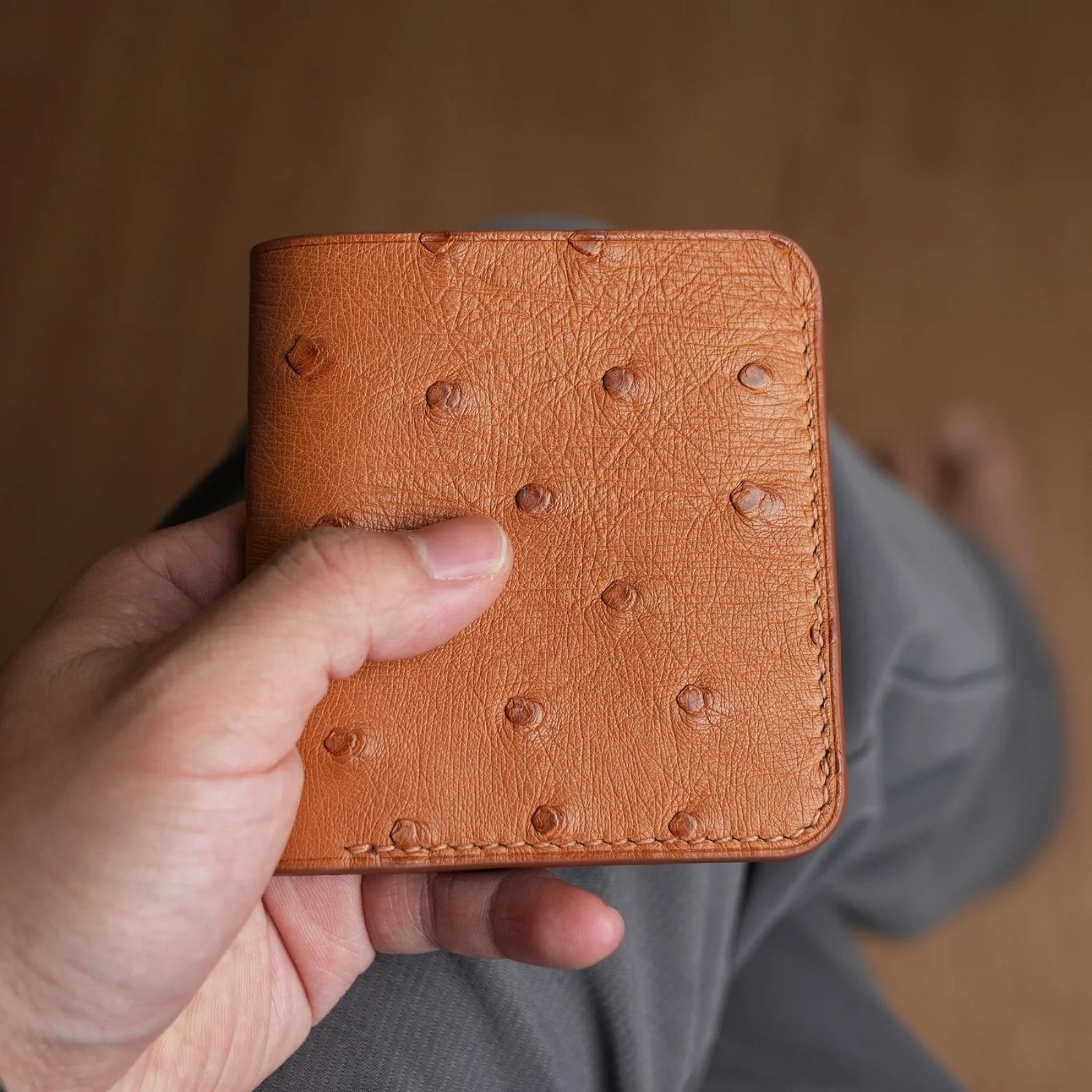
See more about the bifold wallet combining alligator and lizard leather here.
Where to go next at Wild & King
If the bolder, more structured route appeals to you, browse the alligator bifold wallet collection to see how exotic scales look in a finished patina wallet. If you want to compare formats and keep your options open, the broader bifold wallet collection is a good place to weigh slim profiles side by side.
The short version: choose alligator for the tougher-feeling structure and the stronger prestige signal, and choose lizard for a slimmer, more understated wallet with fine texture and easy daily handling. Whichever way you lean, match the material to how you carry, care for it with a light hand, and you will have an exotic bifold that keeps looking sharp for years.

Leave a comment
This site is protected by hCaptcha and the hCaptcha Privacy Policy and Terms of Service apply.