

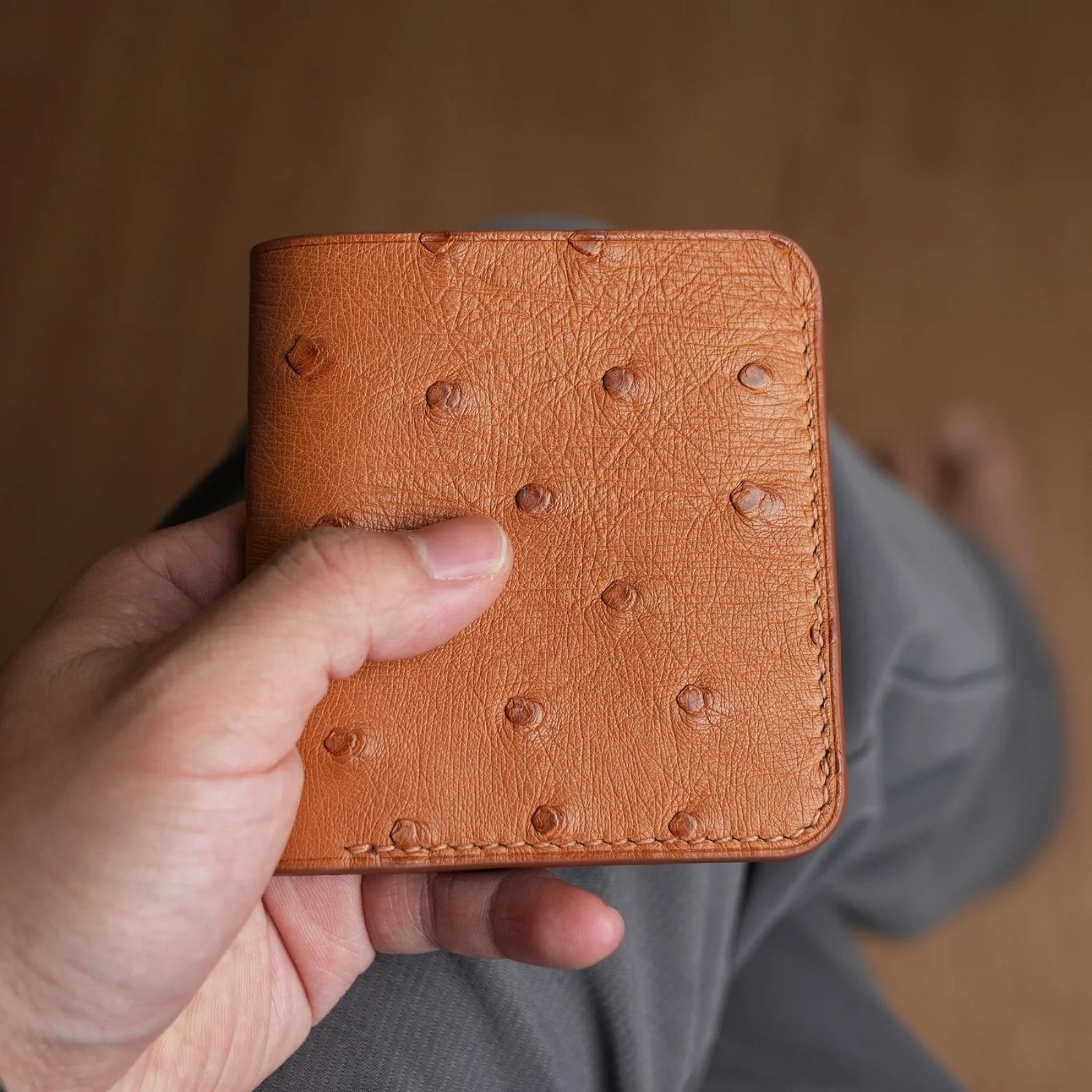
Care for Leather Wallet: Maintenance & Cleaning Guide
Table of Contents
- 1. Why leather wallet care matters
- 2. Daily care routine for your leather wallet
- 2.1. Keep it clean and dry
- 2.2. Avoid overstuffing and misuse
- 2.3. Shield from heat and sun
- 3. How to clean and condition a leather wallet
- 3.1. When to clean and condition
- 3.2. What household products are safe or unsafe
- 4. How to store a leather wallet properly
- 4.1. Short-term storage (Daily use)
- 4.2. Long-term storage
- 4.3. Travel and passport wallets
- 5. Leather type-specific care
- 5.1. Smooth and Aniline Leather (Standard Cowhide)
- 5.2. How to care for Pueblo leather
- 5.3. How to care for Exotic leather
- 5.4. How to care for Epsom leather
- 6. Troubleshooting common leather wallet problems
- 6.1. How to get water stains out of a leather wallet
- 6.2. Why is my leather wallet cracking and can it be repaired?
- 6.3. How to remove odor from a leather wallet
- 6.4. When to DIY vs. when to seek professional repair
- 7. Frequently asked questions
- 7.1. How often should I clean and condition a leather wallet?
- 7.2. What household products are safe or unsafe to use on leather wallets?
- 7.3. How do I get water stains out of a leather wallet after it gets wet?
- 7.4. Why is my leather wallet cracking and can it be repaired?
- 7.5. How do I remove odor from a wallet?
- 7.6. Does exotic leather like crocodile or alligator need different care than cowhide?
- 7.7. How should I care for Pueblo or Epsom leather specifically?
- 7.8. How should I store a leather wallet to prevent damage over time?
- 8. Final tips for long-lasting leather wallets
- 9. Conclusion
To care for a leather wallet, wipe it with a soft dry cloth regularly, keep it away from water, heat, and direct sun, condition it every few months, and store it in a cool, dry place. This guide, written by a Wild & King expert, walks you through a simple daily routine, cleaning and conditioning steps, storage tips, care by leather type, and quick fixes for common problems like water stains, cracking, and odor.
Why leather wallet care matters
Leather is a natural material. It starts out with oils and moisture that keep it supple, and over time those natural oils fade with use and exposure. Without a little help, the surface can dry out, stiffen, and eventually crack.

Good care does two things. It keeps the leather flexible so it ages gracefully, and it protects the finish so scuffs and stains do not build up. The nice part is that leather care is simple. You do not need special skills or a shelf full of products. You just need to be gentle and consistent.
Daily care routine for your leather wallet
Daily care is mostly about small habits. These prevent the kind of damage that is hard to reverse later.
Keep it clean and dry
Wipe your wallet with a soft, dry cloth every so often to lift dust and skin oils off the surface. This keeps grime from settling into the grain.
Try to keep the wallet away from water, heavy sweat, and long stretches of high humidity. A little moisture is not a disaster, but soaking and repeated dampness can leave stains and dry the leather out as it evaporates.
Avoid overstuffing and misuse
An overfilled wallet stretches the leather and stitching in ways they were never meant to flex. Cards leave permanent bulges and the fold weakens over time.
Carrying your wallet in a back pocket makes it worse. Every time you sit down, you press and bend it against its natural shape. If you can, keep it in a front pocket, jacket pocket, or bag instead.
Shield from heat and sun
Heat and sunlight are hard on leather. Direct sun can fade the color, and heat draws out the natural oils that keep the leather soft.
Keep your wallet out of hot car interiors, away from radiators and heaters, and out of long sunny windowsills. Leather likes the same conditions you do: cool, dry, and shaded.

How to clean and condition a leather wallet
Cleaning removes dirt and oils. Conditioning replaces the natural oils leather loses over time. You want both, just not too often.
When to clean and condition
For everyday carry, a light cleaning and conditioning every one to three months is a good rhythm. If your wallet sees a lot of sweat, rain, or heat, lean toward the more frequent end.
Do not overdo it. Conditioning too often can leave the leather greasy or darken it unevenly. When the leather starts to look a little dull or feels dry, that is your cue.

What household products are safe or unsafe
Stick to gentle tools and products made for leather.
Generally safe:
- Soft microfiber or cotton cloth
- A pH-neutral leather cleaner
- A mild leather conditioner, applied thinly
Best to avoid:
- Alcohol wipes and hand sanitizer
- Vinegar, bleach, and ammonia
- Household furniture polish
- Generic all-purpose cleaning sprays
These harsh products can strip the finish, dry the leather, or leave stains that are tough to fix. When in doubt, test any product on a small hidden spot first and wait to see how the leather reacts.
How to store a leather wallet properly
Storage matters whether you are putting a wallet away for a season or just resting it at the end of the day.
Short-term storage (Daily use)
Set your wallet in a cool, dry place when you are not carrying it. Avoid cramming it into tight drawers or between heavy objects that press it out of shape.
Long-term storage
If you are storing a wallet for a while, lightly stuff it with acid-free tissue to help it hold its form. Keep it in a breathable cloth bag rather than plastic, since plastic traps moisture and can encourage mildew.
Travel and passport wallets
Travel wallets take extra abuse from bags, weather, and constant handling. Keep them out of the most humid spots in your luggage and avoid packing them under heavy items that force creases. For more on this, see our guide on how to take care of your leather bifold passport wallet.

Leather type-specific care
Not all leather is the same. The finish and tanning method change how you should clean and protect it.
Smooth and Aniline Leather (Standard Cowhide)
Smooth, aniline-style cowhide is the most common wallet leather. Wipe it clean, condition it lightly on a regular schedule, and keep it dry. Because aniline leather shows marks more readily, a protective conditioner helps guard against stains.
How to care for Pueblo leather
Pueblo leather has a rougher, more textured surface that develops a distinct patina with use. It responds well to gentle brushing and careful conditioning. For step-by-step guidance, read our tips on how to care for Pueblo leather.
How to care for Exotic leather
Exotic leathers like crocodile and alligator have scales that need a softer touch. Harsh rubbing or heavy conditioner can dull the shine and lift the scale edges. Learn the specifics in our guide on caring for exotic leather like crocodile and alligator.
How to care for Epsom leather
Epsom leather has a fine, embossed grain that is durable and easy to keep clean. It handles daily wear well, but it still benefits from gentle wiping and the occasional light conditioning. See our Epsom leather care guide for the full routine.

Troubleshooting common leather wallet problems
Even with good care, life happens. Here is how to handle the most common issues.
How to get water stains out of a leather wallet
If your wallet gets wet, blot it gently with a dry cloth and let it air dry away from heat. Do not use a hairdryer or place it near a heater, since fast drying causes cracking. Once dry, a light conditioning can help even out the surface. For a full recovery plan, see our guide on fixing a water-damaged wallet.
Why is my leather wallet cracking and can it be repaired?
Cracking usually comes from dryness, heat, or years of flexing without conditioning. Surface cracks can often be softened with careful conditioning, while deeper cracks may need more work. Our walkthrough on how to repair a cracked leather wallet covers what is realistic to fix at home.
How to remove odor from a leather wallet
Odor from sweat, mildew, or that b new-leather smell can usually be reduced with airing out, gentle cleaning, and a dry, ventilated storage spot. Avoid dousing the leather in anything scented. Our step-by-step guide on how to remove odor from a leather wallet has more detail.
When to DIY vs. when to seek professional repair
Light scuffs, minor stains, dryness, and mild odor are all things you can handle at home. Move toward a professional when you see deep cracking, torn stitching, broken structure, or damage to exotic and specialty leathers where a mistake is costly to undo. When the fix is bigger than a wipe and a conditioner, an expert is worth it.
Frequently asked questions
How often should I clean and condition a leather wallet?
For everyday use, clean and condition every one to three months. Do it more often if the wallet is regularly exposed to sweat, rain, or heat, and less often if it stays mostly indoors.
What household products are safe or unsafe to use on leather wallets?
Safe choices include a soft microfiber cloth, a pH-neutral leather cleaner, and a mild leather conditioner. Avoid alcohol wipes, vinegar, bleach, ammonia, furniture polish, and generic cleaning sprays, which can dry or stain the leather.
How do I get water stains out of a leather wallet after it gets wet?
Blot the wallet with a dry cloth and let it air dry away from heat. Once fully dry, apply a thin layer of conditioner to help restore softness and even out the surface.
Why is my leather wallet cracking and can it be repaired?
Cracking usually results from dryness, heat, or long-term flexing without conditioning. Light surface cracks often improve with conditioning, while deep cracks may need professional attention.
How do I remove odor from a wallet?
Air the wallet out in a dry, ventilated spot and give it a gentle cleaning. For persistent sweat, mildew, or new-leather smell, follow a targeted odor-removal routine rather than masking it with scents.
Does exotic leather like crocodile or alligator need different care than cowhide?
Yes. Exotic leather has scales that need a softer touch and lighter conditioning. Heavy rubbing or too much product can dull the finish and lift the scale edges.
How should I care for Pueblo or Epsom leather specifically?
Pueblo leather benefits from gentle brushing and careful conditioning to protect its textured surface, while Epsom leather is more durable and mostly needs light wiping and occasional conditioning.
How should I store a leather wallet to prevent damage over time?
Keep it in a cool, dry place. For long-term storage, stuff it lightly with acid-free tissue and use a breathable cloth bag instead of plastic.
Final tips for long-lasting leather wallets
The best leather care is quiet and consistent. A quick wipe here, a light conditioning there, and smart storage will do more for your wallet than any occasional deep clean.
Keep it dry, keep it out of the heat and sun, and do not overstuff it. Match your cleaning and conditioning to the type of leather you own, and handle small problems before they turn into big ones.
Conclusion
Caring for a leather wallet is simple once you build the habit. Wipe it, condition it now and then, store it well, and treat each leather type on its own terms. Do that, and your wallet will age with character instead of wearing out.
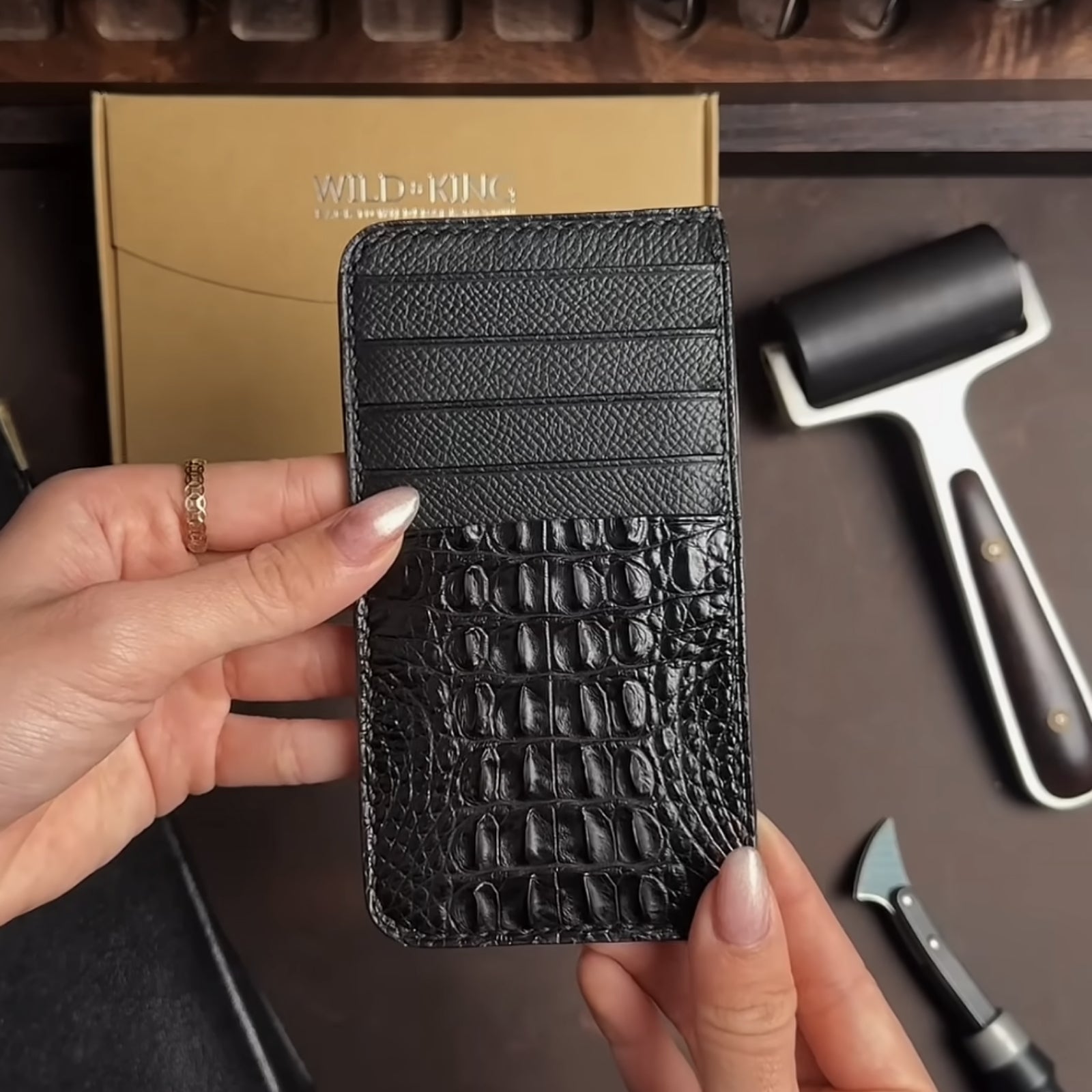
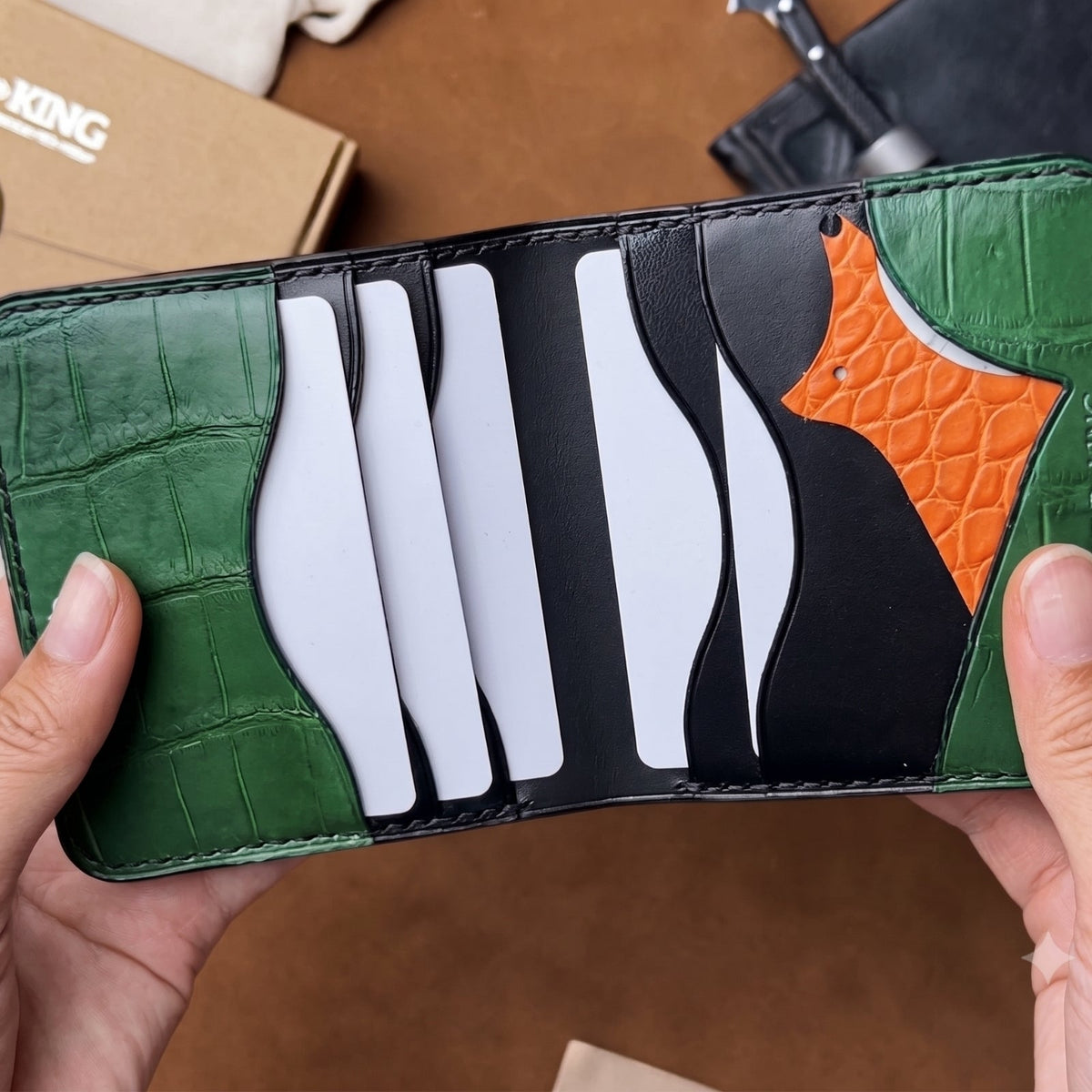
If you are still deciding on your next everyday carry, it is worth looking at care-friendly designs like the Epsom mix lizard leather dualfold wallet, which pairs a durable finish with a low-maintenance routine.

Leave a comment
This site is protected by hCaptcha and the hCaptcha Privacy Policy and Terms of Service apply.