

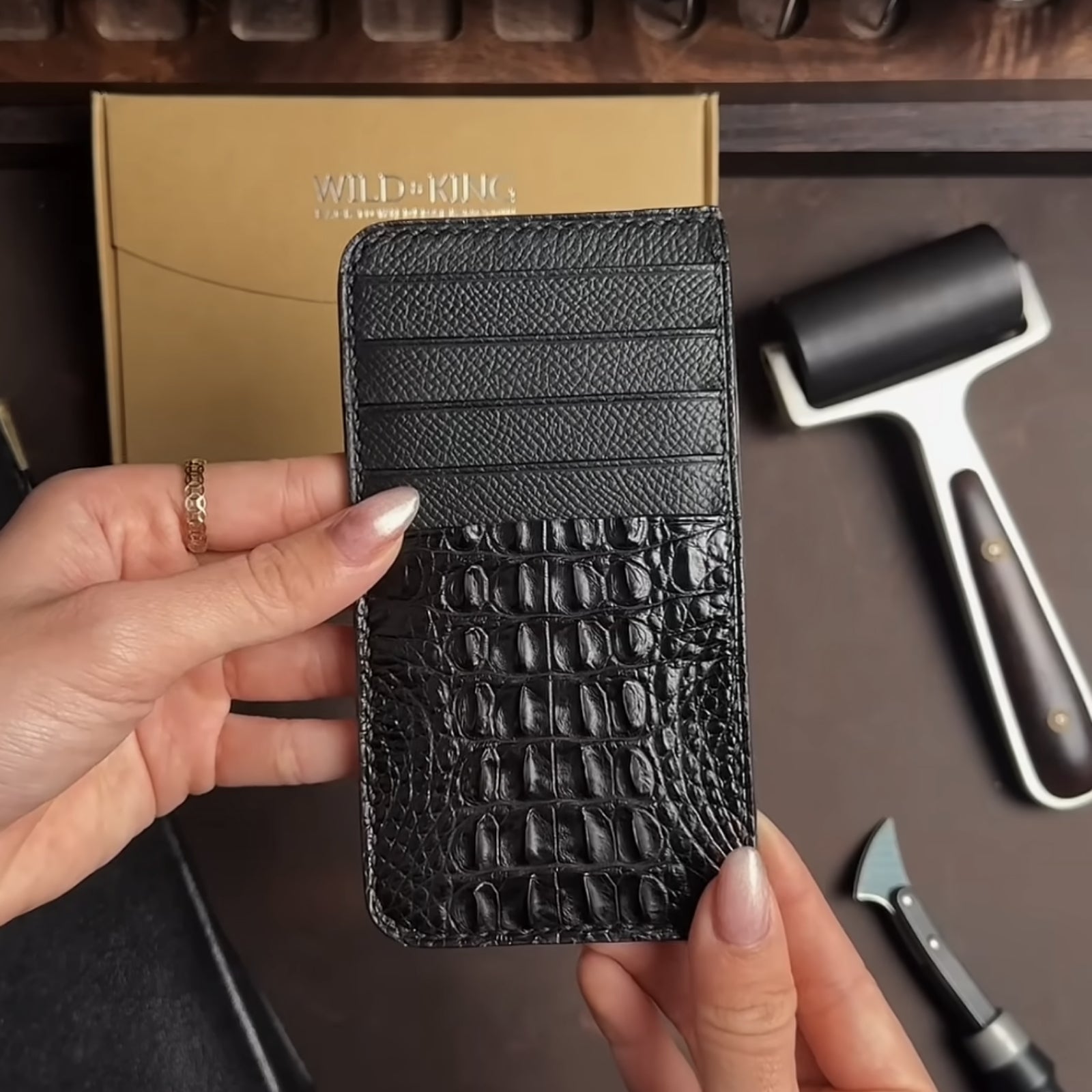
How to Break In a New Leather Wallet (Without Damaging It)
Table of Contents
- 1. Is it normal for a leather wallet to feel stiff?
- 2. How long does it take to break in a leather wallet?
- 3. Step-by-step guide to break in a new leather wallet
- 3.1. Wear it in your pocket (natural use)
- 3.2. Gentle hand-flexing and bending
- 3.3. Lightly fill it with cards and cash
- 3.4. Optional light conditioning
- 4. What to avoid when breaking in your wallet
- 4.1. No soaking or water
- 4.2. No heat guns or hair dryers
- 4.3. Don't force cards into stiff slots
- 4.4. Skip rubber-band "tricks" and over-manipulation
- 5. Break-in differences by leather type
- 5.1. Full-Grain and Top-Grain leather Wallets
- 5.2. "Genuine" or Bonded leather wallets
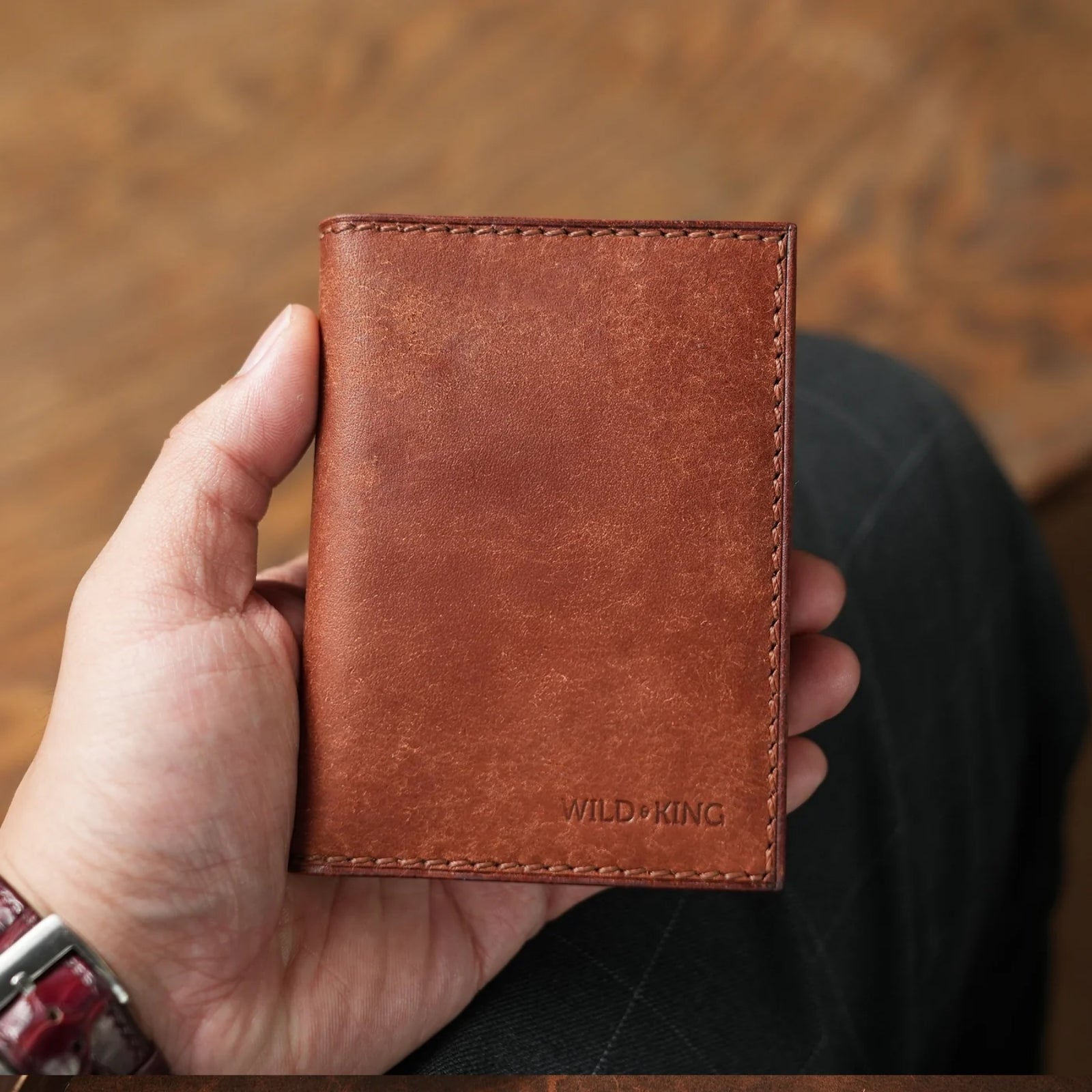
- 5.3. Pueblo and Textured leathers
- 6. From break-in to long-term care
- 7. FAQ about wallet break-in
- 7.1. How long does it normally take to break in a leather wallet?
- 7.2. Is it normal for a new leather wallet to feel stiff or tight?
- 7.3. How can I soften a new leather wallet faster?
- 7.4. Can I use leather conditioner or oil during the break-in period?
- 7.5. Will bending or flexing damage the wallet or stitching?
- 7.6. Do full-grain and genuine or bonded leather wallets break in differently?
- 7.7. Is it safe to use heat, water, or a rubber band trick to speed things up?
- 7.8. How full should I keep the wallet while breaking it in?
- 8. Conclusion
If your new leather wallet feels stiff, hard to fold, or tight on the card slots, take a breath. That firmness is completely normal. You did not buy a defective or "wrong" wallet. Quality leather simply starts life a little rigid, then softens and molds to you with everyday use.

In this guide, you will learn why new leather feels tight at first, how long the break-in usually takes, and which gentle methods are safe versus which ones can actually harm your wallet. Best of all, you will learn how to soften your wallet without soaking it in water, blasting it with heat, or forcing cards into slots that are not ready yet.
Is it normal for a leather wallet to feel stiff?
Yes. New leather has not been flexed or handled much, so its fibers are still tight and firm. As you carry and use the wallet, those fibers loosen, the folds relax, and the whole thing starts to feel supple.
There is a difference between stiffness and damage. A stiff wallet still holds its shape, folds cleanly, and has intact stitching. Damage looks like cracks in the finish, splitting at the folds, or dryness that flakes. If you are seeing only firmness and snug card slots, you are simply at the beginning of a normal break-in.
How long does it take to break in a leather wallet?
There is no single number, but here is a realistic range.
- Light softening: a few days of regular pocket carry
- Noticeable ease: about one to two weeks
- Full break-in: two to four weeks
Two things drive the timeline: the type of leather and how often you use the wallet. Thicker full-grain leather takes longer to soften but ages beautifully. Thinner leathers may feel broken in sooner. The more you carry it, the faster it adapts to your habits.
Step-by-step guide to break in a new leather wallet
The safest approach is also the simplest. Let normal use do most of the work, and help it along gently.
Wear it in your pocket (natural use)
The easiest method is to just carry it. Body heat, movement, and the light pressure of your pocket slowly flex the leather and relax the folds. A week of everyday carry does more than any trick or shortcut.
Gentle hand-flexing and bending
When you have a spare moment, open and close the wallet a few times with your hands. Fold it the way it is meant to fold and let it spring back naturally. Keep the motions soft and even. Do not crease it in the wrong direction or force sharp bends where the wallet does not want to go.
Lightly fill it with cards and cash
A modest load helps the wallet shape itself around your daily contents. Add the cards you actually carry and a few bills. This gives the card slots something to stretch around so they relax at the right size and place. Avoid overstuffing early on, since too much pressure can strain seams and slots before the leather is ready.
Optional light conditioning
If your leather type tolerates it, a very small amount of conditioner can help soften the surface and keep it healthy. The key word is small. A light wipe with a soft cloth is plenty. For a texture like Pueblo, follow product-appropriate guidance in this Pueblo leather care and conditioning guide before you apply anything.
What to avoid when breaking in your wallet
Most ruined wallets are victims of shortcuts. Here is what to skip.
No soaking or water
Do not dunk, spray, or dampen your wallet to soften it. Water can warp the shape, stain the surface, and stiffen the leather as it dries. If your wallet ever does get wet by accident, follow the recovery steps for a water damaged wallet instead of trying to speed up break-in this way.
No heat guns or hair dryers
Direct heat dries leather out fast. That leads to brittleness and cracking, which is the opposite of what you want. Let the leather relax at its own pace at room temperature.
Don't force cards into stiff slots
If a card does not slide in easily, do not jam it. Forcing cards stresses the leather and stitching at the slot edges, and repeated stress there is a common path to splitting. If you already see early cracking, this guide on how to repair a cracked wallet can help. Give the slots a few days of gentle use and they will loosen up.
Skip rubber-band "tricks" and over-manipulation
Wrapping a wallet in rubber bands or aggressively bending it may seem clever, but it distorts the shape and puts uneven strain on the seams. Gentle, natural use always wins.

Break-in differences by leather type
Not all leather breaks in the same way. Knowing your type sets your expectations.
Full-Grain and Top-Grain leather Wallets
These are the thickest and most durable options. They start firm and take longer to soften, but the payoff is a deep, comfortable break-in that only improves with age.
"Genuine" or Bonded leather wallets
Thinner genuine or bonded leather often feels softer sooner because there is less material to loosen. The trade-off is less depth and durability over time. If you are wondering whether the initial stiffness of real leather is worth it, this look at why genuine leather bifold wallets are worth it explains the difference.
Pueblo and Textured leathers
Textured leathers like Pueblo have their own character and their own care needs. They soften with use, but you want to condition them correctly rather than over-treat them. Follow the material-specific steps in the Pueblo care guide linked above before applying anything.

From break-in to long-term care
Breaking in your wallet is really the start of a longer relationship. The same gentle habits that soften the leather now will keep it healthy for years: occasional light conditioning, protection from moisture, and smart storage.
Once your wallet feels the way you want, keep it that way. General maintenance tips are covered in this overview of caring for your leather wallet, and if you carry a bifold, the folding and slot care advice in this bifold wallet care guide is worth a quick read too.
FAQ about wallet break-in
How long does it normally take to break in a leather wallet?
It depends on the leather and your daily use. Light softening can happen in a few days, while full softening usually takes one to four weeks. Thicker full-grain wallets take longer but age better.
Is it normal for a new leather wallet to feel stiff or tight?
Yes. New leather starts firm, and tight card slots are expected. As the wallet flexes with normal use, the leather relaxes and the slots loosen. This is not a defect.
How can I soften a new leather wallet faster?
Combine natural pocket wear, gentle hand-folding, and a modest load of cards and cash. A small amount of conditioner can help if your leather type allows it. Avoid any "fast" method that involves water, heat, or force.
Can I use leather conditioner or oil during the break-in period?
You can, but only a small amount, and only if the leather tolerates it. Over-conditioning can displace natural oils and leave the leather greasy. Follow proper conditioning guidance for your leather type first.
Will bending or flexing damage the wallet or stitching?
Gentle folding will not harm quality stitching. Trouble comes from repeated harsh creases or squeezing the corners, which can stress the leather over time and lead to cracks.
Do full-grain and genuine or bonded leather wallets break in differently?
Yes. Full-grain and top-grain break in more slowly but age gracefully. Genuine or bonded leather may feel softer sooner but lacks the depth and durability of full-grain.
Is it safe to use heat, water, or a rubber band trick to speed things up?
No. Water risks staining and warping, direct heat dries and cracks the leather, and rubber bands distort the shape and stress the stitching. Stick to gentle, natural methods.
How full should I keep the wallet while breaking it in?
Light to moderate contents help it mold to your carrying style. Avoid over-stuffing early on, since that strains the seams and card slots before the leather is ready.
Conclusion
Breaking in a leather wallet is a natural, gradual process, and it ends with an accessory that feels like it was made just for you. Skip the shortcuts, lean on gentle everyday use, and let the leather relax on its own schedule.
When you are ready to keep that broken-in feel for the long haul, the Wild & King leather-care library is a good next stop. Start with the leather wallet care tips, and let those simple habits carry your wallet from stiff and new to soft and reliably yours.

Leave a comment
This site is protected by hCaptcha and the hCaptcha Privacy Policy and Terms of Service apply.